What It Means to Have Your Bail Revoked or Forfeited in Minnesota
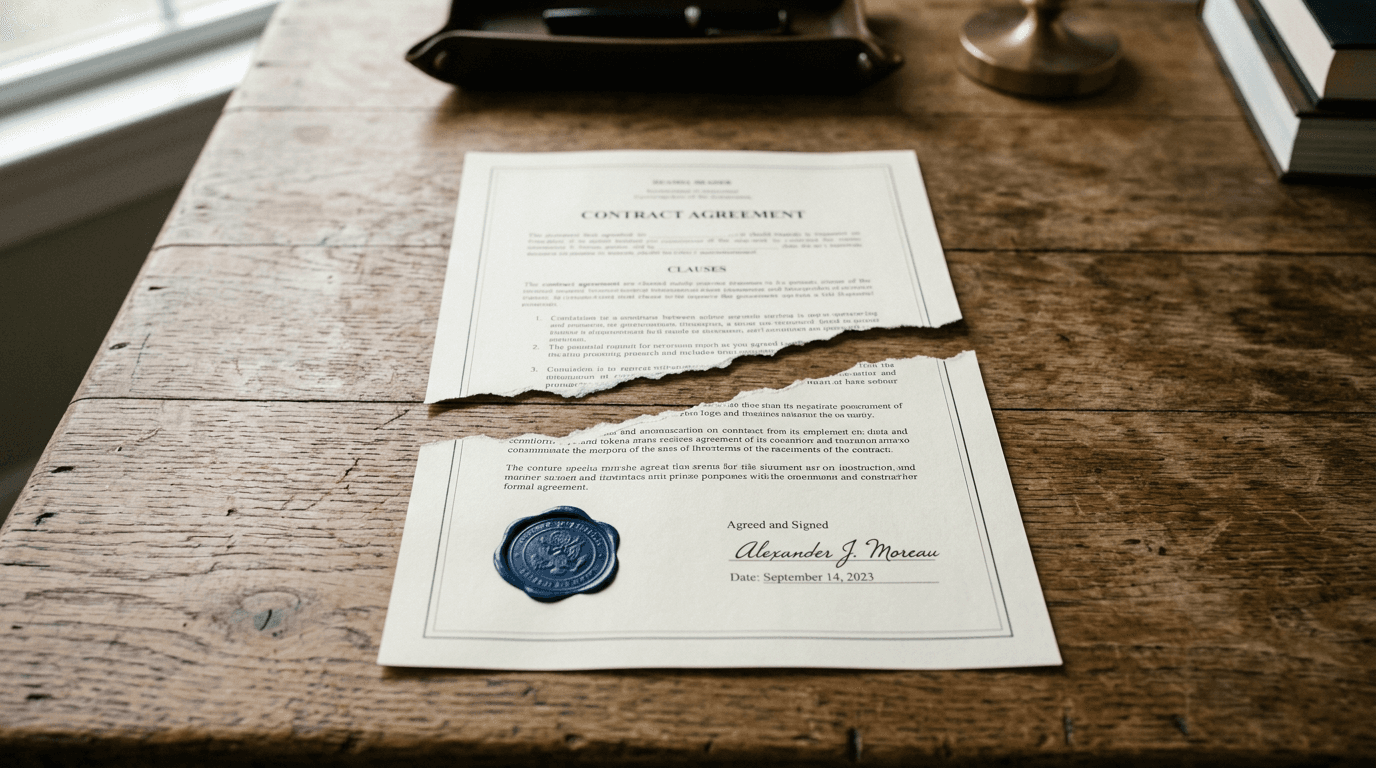
Someone's release was secured, but now the court has issued an order threatening to revoke their bail. This is the moment when a missed check-in or a new charge turns from a mistake into a race against a bench warrant. The Minnesota court system does not send warnings when release conditions are broken; it acts directly against the bond that secured the release. Understanding the difference between a bond being revoked, forfeited, or exonerated is the first step in deciding what action to take before an arrest happens.
Quick Summary
When bail is revoked or forfeited in Minnesota, the court has determined that release conditions were violated and is moving to cancel the bond and return the defendant to jail.
- Revoked bail means the court has cancelled the release agreement and issued a warrant.
- Forfeited bail means the court is demanding the full bond amount because the defendant failed to appear.
- Exonerated bail is the goal: it means the bond has fulfilled its purpose and the financial obligation is closed.
- Action must be taken immediately to contact the bondsman and the court to resolve the violation before forfeiture becomes permanent.
Table of Contents
- 1. Understand Why Bail Is Revoked
- 2. Recognize the Bail Forfeiture Meaning
- 3. Take Action After a Violation
- 4. Aim for Exoneration of Bail
- Common Pitfalls & Troubleshooting
- Recommended Reads
1. Understand Why Bail Is Revoked
When a judge orders bail revoked, they are officially withdrawing the privilege of pre-trial release. This does not happen arbitrarily. The court has received information that the defendant violated the specific conditions set during the initial release. In Minnesota, these conditions are strict and carefully monitored, especially for DWIs or serious charges in counties like Anoka or St. Louis.
The Mechanics of Revocation
The mechanism is straightforward: a probation officer or prosecutor files a report of a violation, and the judge signs an order revoking the bond. This immediately triggers a bench warrant for the defendant's arrest. The bondsman is also notified that their guarantee is in jeopardy. Common triggers include picking up a new charge, failing a mandated drug or alcohol screen (common in DWI cases), or violating a no-contact order.
Practical rule: If you know a condition was violated, do not wait for the warrant to show up in the mail. Contact your bondsman immediately to discuss options for turning yourself in or petitioning the court.
The Mistake People Make
The most common mistake is assuming that minor violations, like missing a single check-in by a day, will go unnoticed or be excused with an apology later. The court system is largely automated in tracking these requirements. By the time a defendant decides to explain the situation at their next hearing, the bail revoked status has already resulted in an active warrant.
2. Recognize the Bail Forfeiture Meaning
If revocation is the cancellation of release, forfeiture is the financial penalty. Understanding the bail forfeiture meaning is critical because it involves the full amount of the bond, not just the premium paid to the bondsman.

The Mechanics of Forfeiture
Forfeited bail occurs primarily when a defendant fails to appear for a scheduled court date. The judge calls the name, the defendant is absent, and the judge orders the bond forfeited. The court then sends a notice to the bondsman giving them a specific window (often up to 90 days in Minnesota) to locate the defendant and return them to custody, or show cause why the bond should not be paid in full to the court.
The Mistake People Make
Families often mistake the initial notice of forfeiture as the end of the line, assuming they immediately owe the full bond amount. The mistake is panicking and hiding. The bondsman has a vested interest in finding the defendant. The worst action is to avoid the bondsman's calls, which forces them to employ apprehension teams rather than working out a voluntary surrender that might allow the bond to be reinstated.
3. Take Action After a Violation
When the status of a bond is threatened, passive waiting is the worst strategy. The steps taken in the first 24 to 48 hours can mean the difference between reinstating a bond and spending the rest of the pre-trial period in a county jail like Sherburne or Carver.
The Mechanics of Resolution
Reinstating a revoked or forfeited bond requires court approval. The bondsman must agree to stay on the bond, and the defendant's attorney must petition the court to quash the warrant and reinstate the bail. This often involves proving that the failure to appear was unintentional (e.g., a verifiable medical emergency) or that the violation has been immediately rectified.
The Mistake People Make
Defendants frequently attempt to contact the court or the prosecutor directly to explain the situation without consulting their attorney or bondsman. This is a severe error. Anything said to the court staff or prosecutor can be used against the defendant, and court clerks cannot offer legal advice or cancel warrants over the phone.
4. Aim for Exoneration of Bail
The ultimate goal of the bonding process is to have the bail exonerated. This is the legal term for the court officially releasing the bondsman and the defendant from the financial obligations of the bond.
The Mechanics of Exoneration
Exoneration of bail happens when the case concludes. Whether the defendant is found guilty, acquitted, or the charges are dismissed, the bond's purpose - ensuring court appearances - has been fulfilled. The judge orders the bail exonerated, and the court closes the financial file on that specific bond. If a bondsman was used, their liability ends. The premium paid (By law, 3%-5% down on qualifying bonds, no credit check, flexible payment plans) is the cost of the service and is not returned, but no further financial liability exists.
The Mistake People Make
People often assume that bail exonerated means the premium is refunded. The premium is the non-refundable fee for the bondsman assuming the risk of the full bond amount. The mistake is budgeting for the return of the premium rather than understanding it as the finalized cost of securing pre-trial freedom in Minnesota.
Common Pitfalls & Troubleshooting
- Symptom: The defendant missed a court date due to a scheduling error.
- Diagnosis: The court will issue a failure to appear and initiate forfeiture.
- Fix: Contact the attorney and bondsman immediately. Often, an attorney can schedule a walk-in hearing to explain the error before the forfeiture is finalized, but the bondsman must agree to remain on the bond. This is the most common cause of forfeiture.
- Symptom: A notice of bail revocation arrives after a failed drug screen on a DWI charge.
- Diagnosis: The conditions of release have been violated, and an active warrant is likely in the system.
- Fix: The defendant must arrange to turn themselves in at the county jail (such as Chisago or Isanti) accompanied by their attorney, to argue for reinstatement of bond conditions rather than remaining in custody.
- Symptom: The case is dismissed, but the family receives a bill for the remaining payment plan balance.
- Diagnosis: The bail is exonerated by the court, but the financial contract with the bondsman for the premium remains valid.
- Fix: Continue making payments according to the flexible payment plan agreed upon. Exoneration clears the liability to the court, not the debt for the service rendered.