How to Post Bail at the Washington County Jail in Stillwater
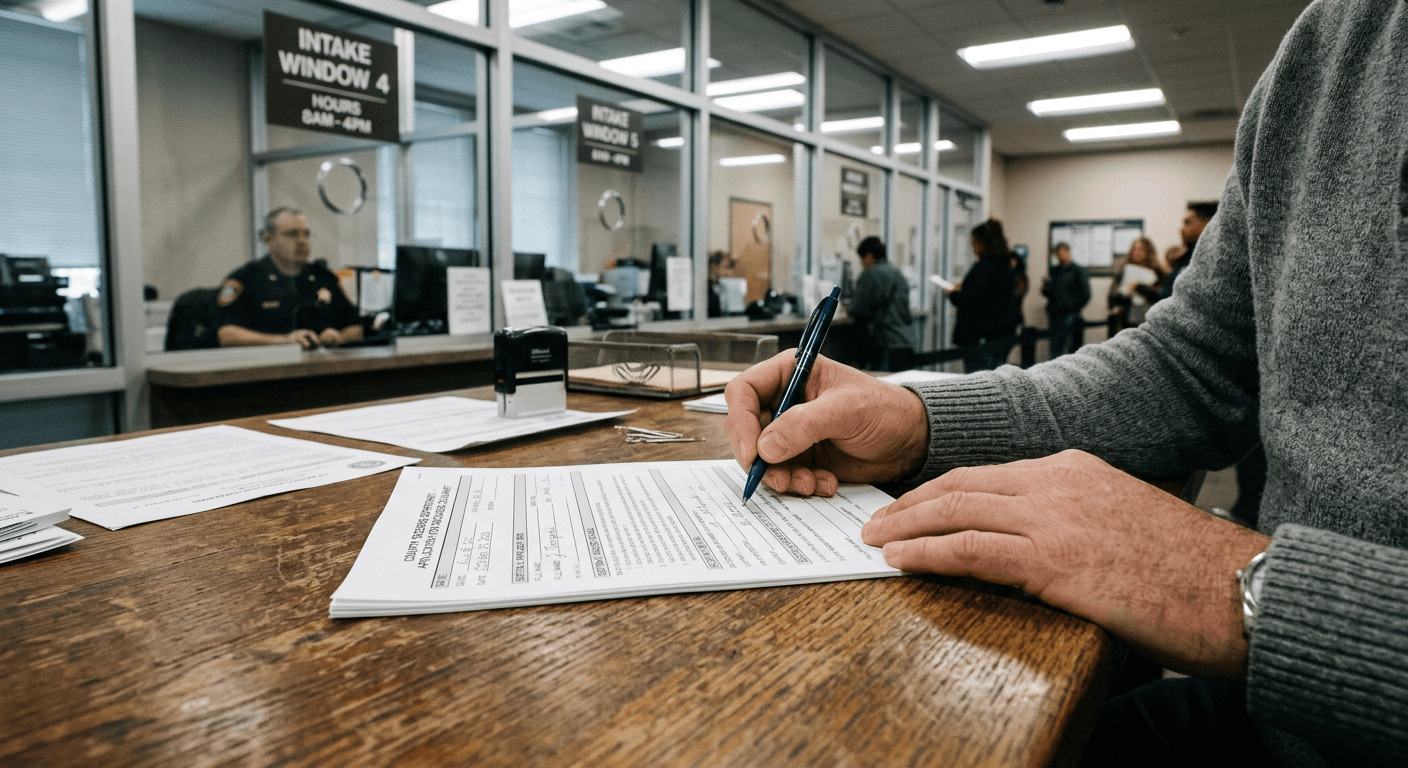
You receive a phone call late on a Friday night from an automated system at the Law Enforcement Center in Stillwater. A family member has been arrested, and panic sets in. The immediate reaction is often to rush directly to the jail lobby with a credit card, assuming you can simply pay a fee and walk them out. That approach rarely works. Understanding the mechanics of bail bonds washington county is a strict procedural exercise, not a retail transaction. Mistakes made in the first hour - such as paying the wrong bail type, signing an indemnity contract without reading the forfeiture clauses, or interrupting a facility shift change - frequently leave the defendant sitting in custody until Monday morning or bound to pre-trial restrictions that jeopardize their employment.
Quick Summary
Posting bail at the Washington County Jail requires waiting for the intake process to conclude, choosing between two distinct court-ordered bail amounts, and retaining a state-licensed agent to submit the legal surety documents.
- The booking process, including a statewide warrant check, must finish before any agent can file a bond.
- Minnesota judges typically offer a two-tiered bail structure: a lower conditional amount and a higher unconditional amount.
- Unconditional bonds remove invasive pre-trial requirements like electronic home monitoring and mandatory check-ins.
- Jail shift changes, meal times, and routine facility lockdowns temporarily halt all release procedures.
- By law, 3%-5% down on qualifying bonds, no credit check, flexible payment plans.
Table of Contents
- 1. Confirm the Booking Status for Bail Bonds Washington County
- 2. Decide Between Conditional and Unconditional Release
- 3. Arrange Financing With a Local Agent
- 4. Complete the Indemnitor Paperwork
- 5. Wait for the Jail Release Procedure
- Common Pitfalls & Troubleshooting
- FAQ
- Recommended Reads
1. Confirm the Booking Status for Bail Bonds Washington County
Calling the jail prematurely stalls the entire release procedure
When an arresting officer brings an individual to the intake area at 15015 62nd St N in Stillwater, the release process does not begin immediately. Intake is a highly structured administrative procedure. It involves a medical screening, a comprehensive property inventory, and the submission of fingerprints through the Automated Fingerprint Identification System (AFIS). Most importantly, the records department runs a statewide database check through the Bureau of Criminal Apprehension to detect any active warrants from other jurisdictions.
Because of the required database checks and routine processing queues, a defendant is not legally clear to be bonded out until the court system registers their formal booking number and sets the bail parameters. If you call an agent while the defendant is still in the squad car or sitting in a temporary holding cell, the agent cannot draft the required surety documents because the official charges and financial amounts do not yet exist in the system.
The mistake families routinely make is panicking and repeatedly calling the records department for updates before the intake is finished. Every phone call a deputy has to answer is time taken away from processing the inmates in front of them, which actively delays the very release you are trying to expedite.
Practical rule: Never travel to the Washington County Jail lobby until the booking officer has officially assigned a booking number and the roster shows the finalized bail amount.
2. Decide Between Conditional and Unconditional Release
Choosing the lower premium often results in expensive monitoring violations
Minnesota courts operate under a specific framework - Rule 6 of the Rules of Criminal Procedure - which frequently results in judges issuing two separate bail amounts during the initial appearance or on the warrant. Understanding the difference between these two figures is the most critical decision an indemnitor will make.
Conditional bail carries a lower face value, making the required premium cheaper upfront. However, it binds the defendant to strict pre-trial supervision. Depending on the charge, this often includes submitting to unannounced urinalysis (UAs), maintaining weekly check-ins, or wearing a continuous alcohol monitoring bracelet. Unconditional bail requires a higher face amount but entirely waives these invasive restrictions. This is particularly relevant when navigating the DWI release process, where courts frequently mandate expensive electronic monitoring devices if unconditional bail is not posted.
The critical error indemnitors make is looking only at the initial premium cost. They pay the fee for the conditional bond, ignoring that the defendant cannot afford the weekly testing fees or cannot retain their job while wearing an ankle monitor. When the defendant inevitably fails a condition, the court revokes the bond, issues a bench warrant, and sends them back to custody. Calculate the monthly cost of mandatory urinalysis and monitoring before you accept the restrictions of a conditional release.
3. Arrange Financing With a Local Agent
Shopping for illegal discounts guarantees a delayed or revoked bond
A surety bond is a financial instrument where a state-licensed agent guarantees the full bail amount to the court on the defendant's behalf. In exchange, the indemnitor (the person signing the contract) pays a non-refundable premium. The financial mechanics of this transaction are heavily regulated by the Minnesota Department of Commerce.
Panic often leads families to search for bail bonds near me without verifying if the agency holds active licensing or adheres to state pricing statutes. The financial terms for securing a release are not arbitrary retail prices you can haggle over. By law, 3%-5% down on qualifying bonds, no credit check, flexible payment plans.
The mistake individuals make is attempting to negotiate an under-the-table discount or searching endlessly for an agency willing to break state law to offer a cheaper rate. An agent who illegally undercuts statutory premium requirements is risking their license. If the Department of Commerce suspends that agent's license, the active bonds they wrote can be instantly revoked, meaning the defendant is ordered back to the Stillwater jail until a new, legally compliant bond is posted. Protect your investment by verifying the agent follows state premium minimums.
4. Complete the Indemnitor Paperwork
Signing a contract out of guilt exposes you to total civil liability
The person who signs the surety contract is legally known as the indemnitor. This paperwork is not a simple receipt for the premium paid; it is a binding civil indemnity agreement. When executing washington county bail bonds, the indemnity agreement assigns total financial responsibility to the signer to ensure the defendant appears at all mandated court hearings.
If the defendant skips their court date, the judge issues a bench warrant and demands the full face value of the bail from the surety company. The surety company then exercises its right to collect that total amount from you, the indemnitor. The liability does not expire until the court case is entirely closed, the charges are dropped, or the defendant is sentenced.
The worst failure mode here is signing the contract for a distant acquaintance out of temporary guilt, without securing any method to track their court dates or ensure their compliance. If that person disappears, your liability is absolute. Read the forfeiture clauses closely to understand exactly what triggers your financial responsibility before you apply a digital signature to any document.
5. Wait for the Jail Release Procedure
Demanding updates during a shift change resets the facility's clock
After the paperwork is finalized, the facility administration takes over. Your bail bondsman washington county will file the documents electronically or in person with the jail's records department, but they cannot dictate the speed of the internal release procedure. The records department at the Law Enforcement Center manages releases alongside active warrants, incoming arrests, and court transports. If you are focused on securing release at the Washington County facility, understand that the deputies control the physical exit timeline.
The facility must cross-reference the filed document with the booking file, conduct a final search for new secondary holds, call the defendant from their housing unit, execute a property return, and process a clothing exchange.
The most frequent mistake indemnitors make is standing in the lobby demanding answers during a facility lockdown or shift change. Washington County operates on strict operational schedules. When a shift change occurs, all inmate movement stops entirely until a facility-wide headcount is verified. Agitating staff or demanding a faster release during this window does not speed up the process; it simply moves your paperwork to the bottom of the stack.
Common Pitfalls & Troubleshooting
The roster shows the inmate is still in custody four hours after payment. Symptom: You paid the premium, the agent filed the paperwork, but the jail roster has not updated and the defendant has not walked out. Real Cause: The facility is executing a mandatory lockdown, a meal rotation, or a shift change (often around 6:00 AM, 2:00 PM, or 10:00 PM). All non-emergency movement halts during these periods. Fix: Wait exactly one hour before inquiring. Do not call the records department, as answering phone inquiries actively delays the deputies processing the release stack.
The bond amount required suddenly doubles at the window. Symptom: The agent begins filing the paperwork, but the jail informs them the total bail required is significantly higher than initially stated. Real Cause: A secondary warrant from an adjacent jurisdiction (such as Anoka or Sherburne County) was detected late in the AFIS database check. Fix: Request a statewide warrant check immediately to identify the specific county holding the secondary warrant. You will need to process a separate surety document for that specific hold.
The jail refuses to process the executed surety document. Symptom: The paperwork is perfect, but the intake window refuses to accept it and states the defendant cannot leave. Real Cause: The defendant is subject to an active Intoxication Hold or a mandatory 36-hour domestic violence hold that has not yet expired. The court requires a sober release or a mandatory cooling-off period regardless of payment. Fix: Ask the booking deputy for the exact expiration time of the mandatory hold. The bond can only be processed by the records department after that specific clock strikes zero.
FAQ
Can I pay the court directly without using an agency? Yes. The court accepts the full face value of the bail in exact cash. This money is held by the court administration until the case resolves. If you use a licensed agency instead, you only pay the non-refundable premium, and the agency assumes the liability for the full amount.
Where do I physically pick up the defendant in Stillwater? Releases occur at the Washington County Law Enforcement Center lobby. Because release times fluctuate wildly based on jail operations, wait until the defendant or your agent calls you to confirm the physical release before traveling to the facility.
Do I need to live in Minnesota to sign as an indemnitor? No. Reputable agencies utilize digital signature platforms and secure online payment portals. This allows out-of-state family members to complete the necessary legal guarantees and secure a release remotely.
Why shouldn't I just look for the cheapest premium rate available? While searching for cheap bail bonds is a common instinct, Minnesota law strictly dictates the minimum premium rates agencies can charge. Agents offering illegal, under-the-table discounts risk losing their license, which can result in all their active bonds being revoked and the defendant being returned to custody.