Paying for Bail in Minnesota: How to Finance a Jail Release
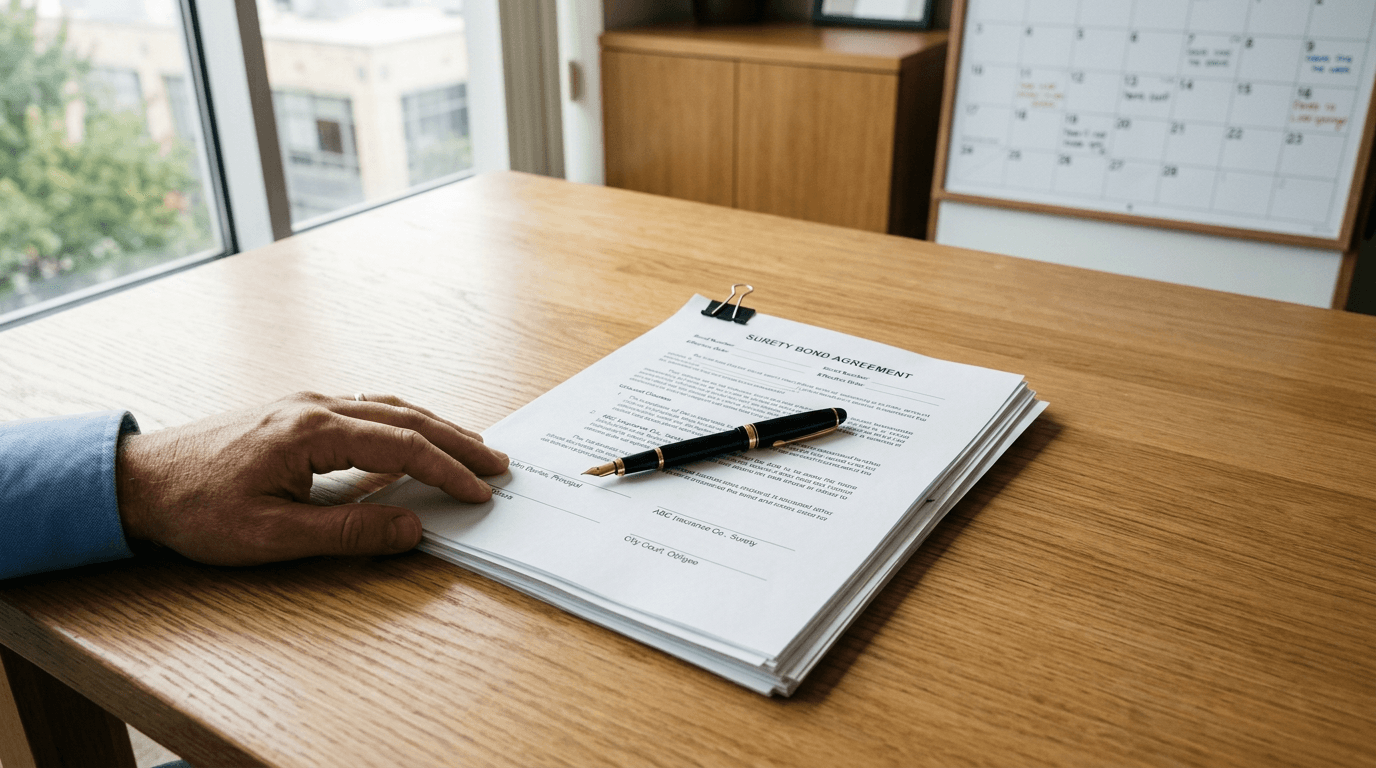
A midnight phone call from the Washington County Jail rarely comes with financial planning attached. When a family member is arrested, the immediate focus is on getting them out, but the reality of the process quickly narrows to a single hurdle: finding the money. The court sets a bail amount, and that number is often higher than most families have sitting in a checking account. Understanding how to navigate this sudden financial requirement is the difference between a prompt release and a loved one spending unnecessary days in custody.
Quick Summary
Paying for bail in Minnesota involves satisfying the court's financial requirement for release, either by posting the full amount directly to the court or by using a professional bail bondsman to secure a surety bond. Navigating this process requires understanding payment options, timelines, and the financing available to families who cannot afford the full cash amount upfront.
- Surety bonds over cash: Using a professional service means paying a fraction of the total bail amount rather than the full sum.
- Financing is regulated: Payment plans are available, with initial costs governed by state standards.
- Speed matters: The method you use to pay dictates how quickly the jail processes the release.
- Location specific: Procedures and accepted payment methods vary slightly between Minnesota county jails.
Table of Contents
- 1. Determine the Total Bail Amount
- 2. Choose Between Cash and a Surety Bond
- 3. Secure Financing and Finalize the Payment
- 4. Complete the Paperwork and Wait for Release
- Common Pitfalls & Troubleshooting
- FAQ
- Recommended Reads
1. Determine the Total Bail Amount
The first step to pay the bail is finding out exactly how much the court requires. Following an arrest in counties like Anoka or St. Louis, a judge or a pre-set bail schedule determines this figure based on the charges, the individual's history, and their ties to the community. You cannot begin the payment process until this number is officially set.

The mechanics of this step involve contacting the specific county jail where the individual is held. You will need their full legal name and date of birth. The booking department will provide the charge details and the required bail amount. It is crucial to distinguish between "bail" (the total amount set by the court) and the "premium" (the fee paid to a bondsman if you choose that route).
Practical rule: Always confirm the bail amount directly with the jail or a professional bondsman before gathering funds; relying on what the detained person heard during booking often leads to inaccurate totals.
The mistake families make here is assuming the bail amount is negotiable at the jail counter. It is not. Once set, that is the number required for release until a judge rules otherwise at a future hearing. Attempting to argue the amount with detention staff only delays the process.
2. Choose Between Cash and a Surety Bond
Once you have the total, you must decide how to pay a bail requirement. The court accepts two primary methods for financial release: posting the full cash amount directly to the court, or using a surety bond provided by a professional bail service.
Posting cash means delivering the entire amount - often thousands of dollars - to the court administrator or jail. This money is held until the case concludes. If the defendant misses court, the entire sum is forfeited. If they comply, the money is returned, though courts often deduct fines and fees first.
A surety bond is the alternative. You hire a professional service to guarantee the full bail amount to the court on your behalf. You pay a non-refundable fee for this service. By law, 3%-5% down on qualifying bonds, no credit check, flexible payment plans can be arranged. This allows families to secure a release without liquidating assets or draining savings accounts.
The failure mode in this step is attempting to pool cash from multiple family members without considering the long-term freeze on those funds. Cases can take months or years to resolve. Tying up rent or mortgage money in the court system creates secondary financial crises for the family.
3. Secure Financing and Finalize the Payment
If you opt for a surety bond, the next step is securing the arrangement with the bondsman. This involves discussing the premium and establishing how you will cover the initial down payment and any subsequent installments.
The mechanics require providing basic financial information and signing a contract. The bondsman will explain the cost structure clearly. While some families wonder if they can simply use a bail wire to send money directly to the jail, most Minnesota county facilities do not accept wire bail transfers from private individuals for cash bail. Professional bondsmen, however, can process credit cards, cash, and sometimes other digital payments to cover the premium and initiate the bond.
The critical mistake at this stage is misunderstanding the financial commitment. The premium paid to the bondsman is the cost of using their money to satisfy the court; it is not returned when the case ends. Families who do not grasp this distinction often feel surprised later.
4. Complete the Paperwork and Wait for Release
The final step is the administrative execution of the release. Once the financial arrangement is settled, the bondsman dispatches an agent to the specific jail - whether that is in Chisago, Pine, or Mille Lacs County - to post the bond.
The paperwork you sign includes a guarantee that the defendant will attend all required court hearings. As the co-signer (or indemnitor), you are taking responsibility for their appearance. Once the bond is posted, the jail begins its release process. This involves returning personal property, checking for outstanding warrants in other jurisdictions, and finalizing out-processing.
The mistake families make here is expecting an instantaneous exit the moment they pay. Jail processing takes time. Depending on the facility's size, staffing, and current intake volume, release can take anywhere from one to several hours. Calling the jail repeatedly during this window slows down the staff who are trying to process the paperwork.
Common Pitfalls & Troubleshooting
The delay stretches past four hours
- Symptom: You paid the bondsman, they confirmed the bond was posted, but the individual has not been released after a significant wait.
- Fix: The most common cause is a newly discovered hold or warrant from another county (e.g., a warrant in Sherburne County while the person is held in Isanti). Contact your bondsman; they can check the court system to see if a new detainer has been placed.
The jail rejects the cash payment method
- Symptom: You attempt to pay the full cash bail at the jail window, and they refuse your payment type.
- Fix: Many jails only accept exact cash or specific types of cashier's checks. They do not accept personal checks or direct credit card payments for full cash bail. If you cannot secure the correct payment type, you will need to pivot to using a professional bond service.
The co-signer wants to withdraw
- Symptom: The person who financed the bond decides they no longer want to be financially responsible before the case is concluded.
- Fix: Once the bond is executed and the person is released, withdrawing is complex. It requires the bondsman to locate and surrender the defendant back to custody, and the initial premium is not refunded. You must contact the bondsman immediately to discuss the process of coming off the bond.
FAQ
How much does a bail bond cost in Minnesota?
By law, 3%-5% down on qualifying bonds, no credit check, flexible payment plans are standard. The total premium is typically a set percentage of the full bail amount required by the court.
Can I pay bail online directly to the jail?
Most Minnesota county jails do not have portals for individuals to pay large cash bail amounts directly online. You generally must appear in person with exact funds or use a professional bonding service that has established procedures with the facility.
What happens if the defendant misses court?
If the defendant fails to appear, the court issues a bench warrant. If a surety bond was used, the bondsman will contact the co-signer to locate the individual. The co-signer is ultimately financially responsible for the full bail amount if the defendant cannot be returned to court.
Do I get my money back after the trial?
If you post the full cash bail directly to the court, the remainder is returned after fines and fees are deducted, provided all court appearances were met. If you use a bondsman, the premium fee you pay them is non-refundable, as it is the cost of the service provided.