Navigating the St. Louis County Jail: When to Call a Duluth MN Bail Bondsman
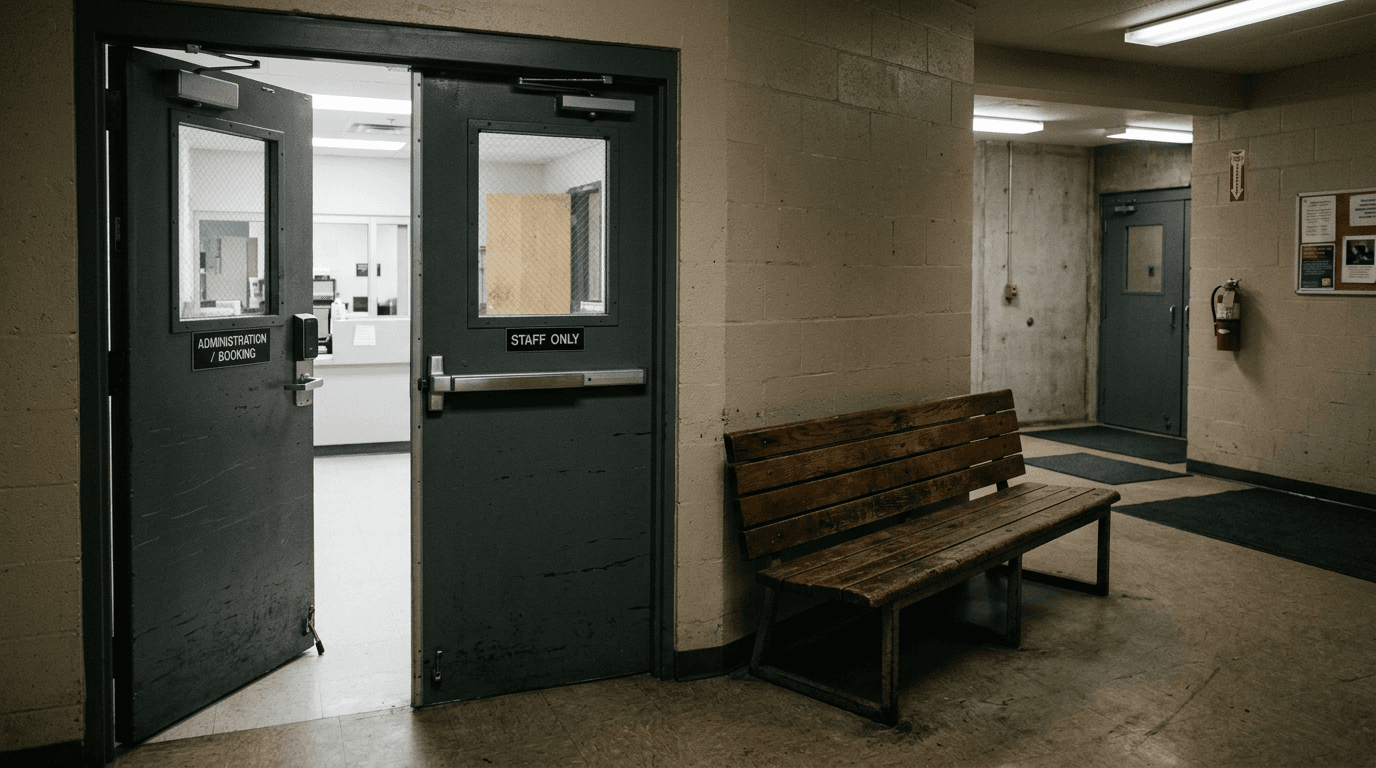
A 2:00 AM phone call from the St. Louis County Jail in Duluth rarely comes with a manual. The caller is detained, their personal property is bagged in the intake room, and the immediate question for the family is how long they will remain in custody. Securing a release requires more than just knowing the defendant's name; it demands a functional understanding of how the facility processes incoming inmates, how Minnesota statutes mandate mandatory bail schedules, and exactly when to dispatch a Duluth MN bail bondsman to the facility. Attempting to force a release before the local computer systems sync will only result in wasted time in the jail lobby. This article unpacks the mechanics of securing a release in St. Louis County, what happens during the critical first hours of the intake phase, and how surety bonds bridge the gap between court-mandated bail amounts and a family's available funds.
Quick Summary
Navigating a release from the St. Louis County Jail requires understanding local booking timelines, mandatory bail schedules, and the critical distinction between conditional and unconditional release. Working with a licensed agent allows families to post a surety bond, securing freedom for a fraction of the total bail amount while the case proceeds through the Minnesota court system.
- Booking procedures generally take several hours to complete before the jail will legally accept any bail payments.
- Minnesota law dictates standardized bail amounts for many offenses prior to a formal court appearance.
- Unconditional bail requires a larger upfront financial guarantee but entirely eliminates invasive monitoring and check-in requirements.
- State regulations and agency terms permit specific financing structures to initiate a rapid release.
Table of Contents
- Why a Duluth MN bail bondsman cannot bypass the mandatory booking timeline
- How Minnesota law sets bail amounts before a judge ever sees the case
- Where conditional bail costs less upfront but restricts more freedom
- What a surety bond actually covers when you cannot pay cash in full
- Which specific charges complicate the release process the most
- FAQ
- Recommended Reads
Why a Duluth MN bail bondsman cannot bypass the mandatory booking timeline
The most common failure mode for families navigating an arrest is attempting to pay bail the moment they receive the first phone call from the facility. The intake process at the St. Louis County Jail is a rigid, sequential procedure dictated by state law and database limitations. When a defendant arrives at the facility, they must pass through a medical screening to ensure they are fit for confinement. Following this, the staff conducts an inventory of personal property and begins the formal booking sequence.
This sequence involves LiveScan fingerprinting and photograph logging. The fingerprints are electronically transmitted to the Minnesota Bureau of Criminal Apprehension (BCA) and the National Crime Information Center (NCIC). This step is non-negotiable; the jail must receive a return transmission confirming the individual's identity and checking for any active warrants in other jurisdictions. Until this electronic handshake is complete, the defendant does not fully exist in the jail's holding roster as a bailable entity.
Furthermore, the St. Louis County bonding office will not accept payment or process a surety bond until the Minnesota Court Information System (MNCIS) updates with the official charges. If the arresting officer has not yet filed the electronic citation or probable cause statement, the jail staff cannot legally generate a release order. Calling an agent early puts them on standby to monitor the roster, but neither a family member nor an agent can bypass this computer integration. Understanding the specific requirements for securing a release in St. Louis County prevents families from spending hours sitting in the lobby waiting for a database to update.
How Minnesota law sets bail amounts before a judge ever sees the case
Arrests made late on a Friday evening or during a holiday weekend introduce a significant logistical hurdle: the defendant will not see a judge until the next business day. Under the Minnesota Rules of Criminal Procedure, the courts utilize the 36-hour and 48-hour rules. The 36-hour rule dictates how long a person can be held without formal charges, but the clock explicitly excludes the day of arrest, Sundays, and legal holidays. A Friday night arrest on Labor Day weekend could mean waiting until Tuesday afternoon for a formal arraignment.

To prevent indefinite pretrial detention for minor infractions, Minnesota utilizes a standardized bail schedule for most misdemeanor and gross misdemeanor offenses. The arresting officer's citation dictates the initial charge classification, and the jail roster deputy applies the statutory bail amount accordingly. This schedule provides a fast track to release, but it is entirely rigid. The jail staff has no discretionary authority to lower the statutory amount based on a defendant's local ties, employment status, or character; only a judge possesses that authority during a formal court hearing.
For families navigating this gap, waiting for a judge to potentially lower the bail means sacrificing days of freedom and risking the defendant's employment. By utilizing the preset schedule, a defendant can be bonded out immediately after the booking process concludes. Understanding the statutory limits of St. Louis County bail bonds ensures families do not wait unnecessarily for a Tuesday court date when a scheduled release was available on Saturday morning. Navigating Minnesota bail procedures and best practices requires precise timing and a clear understanding of when to leverage the statutory schedule.
Where conditional bail costs less upfront but restricts more freedom
Minnesota judges frequently offer a dual bail system during an arraignment. The court will present two distinct numbers: a lower amount with conditions attached, and a higher amount that is entirely unconditional. The distinction between these two options dictates the defendant's day-to-day life while the case is pending.
Conditional bail requires the defendant to submit to specific court-mandated supervisory requirements. This often includes Electronic Home Monitoring (EHM), Secure Continuous Remote Alcohol Monitoring (SCRAM) bracelets, weekly check-ins with a pretrial officer, and mandatory drug testing. Unconditional bail requires no monitoring, granting complete freedom pending court dates, provided the defendant attends all mandatory hearings and commits no new offenses.
While conditional bail appears significantly cheaper on the court order, the hidden costs often outpace the upfront savings. EHM and SCRAM require expensive installation fees and daily monitoring charges that the defendant must pay directly to the monitoring vendor. Over a standard six-month trial timeline, these daily fees compound rapidly. Furthermore, conditional release restricts a defendant's ability to travel across county lines for work or manage spontaneous family obligations.
| Feature | Conditional Bail | Unconditional Bail |
|---|---|---|
| Court Mandated Amount | Lower (e.g., $1,000 - $2,000) | Higher (e.g., $12,000) |
| Pretrial Supervision | Mandatory check-ins, EHM, or SCRAM | None |
| Daily Vendor Fees | Yes (often $10 - $25 per day) | No |
| Geographic Restrictions | Strict travel limitations | Freedom of movement (within legal limits) |
Practical rule: Always calculate the daily monitoring fees across an estimated six-month trial period before assuming a lower conditional bail amount is the more affordable option; the unconditional route often costs less out-of-pocket over the lifespan of the case.
What a surety bond actually covers when you cannot pay cash in full
When a judge sets a high unconditional bail, the court requires that exact sum in cash to guarantee the defendant's appearance at all future hearings. If the defendant skips court, the court seizes the money. Because most families do not have massive amounts of liquid cash available late at night, a surety bond transfers this financial risk to a specialized insurance company, represented locally by a bonding agent.
The family pays a premium to the agent, and the agent submits a legally binding document to the court guaranteeing the total bail amount. Under Minnesota regulations, the pricing for this service is strictly standardized. By law, a mandated minimum down payment on qualifying bonds, no credit check, and flexible payment plans allow families to initiate the release process without draining their savings accounts.
However, a surety bond is a strict indemnification contract. The indemnitor (the family member or friend who co-signs the bond) assumes financial responsibility if the defendant violates the terms of the release. If the defendant fails to appear for a scheduled hearing, the judge issues a bench warrant and initiates the bond forfeiture process. The agent is then legally obligated to locate the individual and return them to the St. Louis County Jail, or forfeit the entire backed amount to the court. Reaching out to a 24/7 Minnesota bonding agent initiates this contract phase, but the indemnitor must fully trust the defendant's willingness to comply with the court's calendar.
Which specific charges complicate the release process the most
Not all arrests are processed through the jail at the same speed. Two specific categories of charges routinely disrupt the standard release timeline in Minnesota: Driving While Intoxicated (DWI) and active warrants from neighboring jurisdictions.
Under Minnesota Statute 169A, repeat DWI offenses or first-time offenses with specific aggravating factors (such as a high blood alcohol concentration or the presence of a minor in the vehicle) trigger mandatory maximum bail amounts. The state legislature has removed judicial discretion for these specific holds; the jail must apply the statutory maximum unconditional bail mandated for a gross misdemeanor. Furthermore, defendants arrested for a DWI are subject to mandatory hold times to ensure they are sober before release, often dictated by breathalyzer metabolization charts. Coordinating immediate DWI bonding assistance ensures the facility receives the paperwork the moment the mandatory hold expires.
Active warrants present a different logistical challenge. If a defendant is arrested in Duluth but has an active warrant out of Carlton County, the St. Louis County Jail acts primarily as a holding facility. The Duluth MN bail bonds process cannot fully clear the individual until the neighboring jurisdiction's hold is satisfied. The agent must post a separate bond specifically for the Carlton County warrant, communicating with both jail rosters simultaneously. Clearing holds from neighboring jurisdictions, such as a Carlton County jail release, must happen sequentially before the primary release order is authorized.
Practical rule: If a defendant has warrants in multiple Minnesota counties, secure the bond for the most severe charge first, as that specific jurisdiction's hold will dictate the primary release timeline across all facilities.
FAQ
Can I post bail immediately after an arrest in St. Louis County? No. The facility must complete the intake process, which includes LiveScan fingerprinting and a statewide BCA warrant check. Payment cannot be accepted until the court information system officially logs the charges.
What happens if the defendant misses a court date in Duluth? The presiding judge will issue a bench warrant, and the full bail amount becomes subject to forfeiture. The indemnitor becomes financially responsible for the total bond amount if the defendant is not returned to custody.
Do I need a credit check to secure a bond in Minnesota? No. Under standard agency procedures and by law, 3%-5% down on qualifying bonds, no credit check, flexible payment plans are utilized to secure the contract.
Does paying unconditional bail mean the charges are dropped? No. Unconditional bail only dictates the terms of your physical release from the jail facility; it has no bearing on the pending legal charges or the eventual outcome of the case.
Can a single bond cover holds from neighboring counties? No. Separate bonds must be posted for each individual county holding an active warrant against the defendant.