Navigating Minnesota Jails: What Is a Bail Agent and How to Hire One
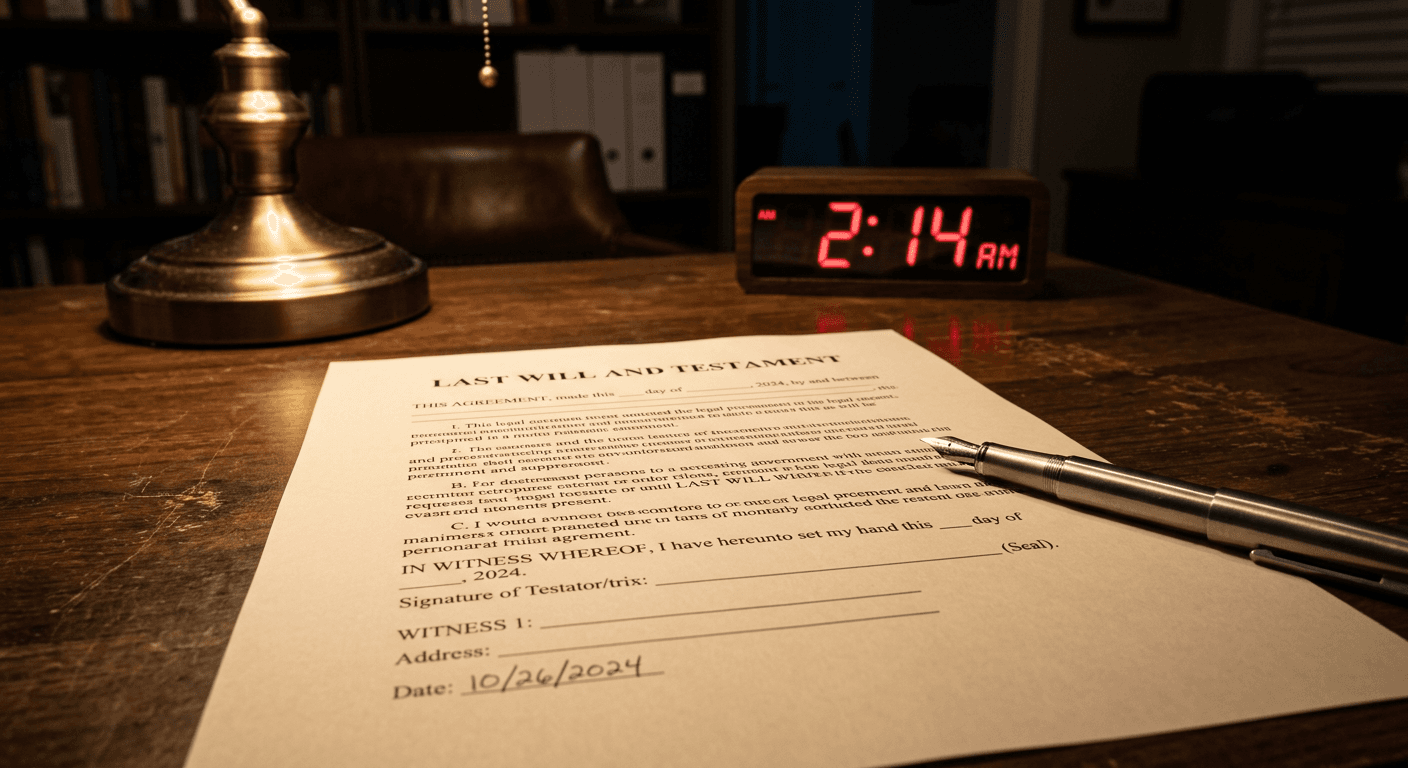
A family member's phone rings at 2:00 AM on a Sunday. The caller ID indicates an incoming call from a local county jail - perhaps Pine, Isanti, or Sherburne - and a frantic voice on the other end says they have been arrested. At this exact moment, confusion sets in. You know you need to secure a release, but the legal terminology feels like a foreign language. The first question most families ask is exactly what is a bail agent, and how quickly can this person solve the immediate crisis? Understanding the mechanics of a surety bond is the only reliable way to navigate those critical first hours after an arrest in Minnesota. Waiting until Monday morning to figure out the county jail system guarantees a longer weekend in custody, which is why immediate action with a licensed professional becomes the definitive step.
What is a Bail Agent and How Does This Protect the Accused?
When a Minnesota court sets a bail amount, they are demanding a financial guarantee that the defendant will return for future court appearances. Most families simply do not have thousands of dollars in liquid cash available in the middle of the night. Here, you might wonder what is a bail bondsman in practical terms? They are state-licensed professionals who act as a surety, pledging the full bail amount to the court on behalf of the defendant. In exchange for a non-refundable premium, the agency assumes the financial risk of the defendant's appearance.
Beyond simply handing over money, a professional agent expedites the paperwork, communicates directly with the jail booking staff, and ensures the defendant actually gets out of custody. They understand the difference between city holding cells and main county detention centers, navigating a bureaucratic maze that most citizens never see. They provide the financial leverage required to secure an unconditional release, which allows the accused to return home without facing invasive pre-trial restrictions like electronic home monitoring.
Quick Summary
A bail agent is a licensed surety professional who posts a financial guarantee to a Minnesota court, securing a defendant's immediate release from jail. They navigate county holding procedures, process the legal paperwork, and assume the financial liability if the defendant fails to appear in court.
- Surety bonds secure an unconditional release without requiring you to pay the entire bail amount in cash directly to the court.
- Agents require the defendant's exact legal name, date of birth, and specific holding facility to initiate the process.
- By law, 3%-5% down on qualifying bonds, no credit check, flexible payment plans define the mandatory initial payment structure.
- Indemnitors (co-signers) sign a binding legal contract assuming financial liability for the defendant's future court appearances.
Table of Contents
- What is a Bail Agent and How Does This Protect the Accused?
- 1. Gather the Essential Arrest Information
- 2. Assess the Bail Amount and Financial Terms
- 3. Contact and Hire the Bail Bondsman
- 4. Complete the Paperwork and Application
- 5. Wait for the Jail to Process the Release
- Strict State Oversight Eliminates Financial Guesswork
- Common Pitfalls & Troubleshooting
- FAQ
- Recommended Reads
1. Gather the Essential Arrest Information
Missing Details Delay the Release Process
When you receive a late-night phone call from jail, panic often overrides the need for concrete facts. However, the bail process cannot legally begin until the agent knows exactly who is in custody and where they are being held. You must acquire the defendant's full legal name, their date of birth, and the specific facility housing them.
The mechanics here are based on state logistics: Minnesota courts process hundreds of bookings daily, and multiple people with similar names exist within the system. The bondsman uses these specific details to pull the official booking record, verify the charges, and confirm the exact bail amount set by a judge or the county bail schedule. This is particularly critical when securing Anoka bail bonds or navigating similarly large county jurisdictions where inmates are frequently moved between holding areas.
The mistake people actually make here is hanging up the phone without getting the booking number or confirming the exact holding facility. Families often assume a local city police department is holding the defendant overnight, when in reality, they were already transferred to the main county jail hours ago.
Practical rule: Keep a pen and paper by your phone and write down the county name, the specific charges, and the booking number before you end the initial call with the arrested individual.
2. Assess the Bail Amount and Financial Terms
Minnesota Judges Set Both Conditional and Unconditional Amounts
Once the booking is confirmed, the agent will explain the financial requirement to post the surety bond. You are not paying the full bail amount to the court; you are paying a premium to the agency. In Minnesota, a judge will typically set two different bail amounts during an arraignment: a lower conditional bail that forces the defendant to submit to urinalysis or electronic home monitoring, and a higher unconditional bail with no strings attached. Most families utilize an agent to post the unconditional amount so the defendant can return to work without invasive tracking.
The mechanics of financing this transaction are strictly regulated by the state to protect consumers. Families often panic, assuming a sudden arrest requires draining a retirement account or signing over a mortgage. However, the reality of financing a bond is highly structured. By law, 3%-5% down on qualifying bonds, no credit check, flexible payment plans are the standard operating procedures you will encounter.
The mistake families make at this stage is taking out high-interest payday loans to cover what they incorrectly assume is a massive upfront cost. Because they do not understand what do bail bondsman do regarding state-regulated financing, they unnecessarily imperil their own financial stability. You only need to meet the statutory minimum down payment to initiate the release.
3. Contact and Hire the Bail Bondsman
Speed Depends on Immediate Availability
Knowing how to find bail bondsman operations that are actually available at the exact time of the arrest is the defining factor in how fast someone gets out. Not all agencies operate around the clock, even if their marketing suggests otherwise. The mechanics of hiring involve placing a call to an agency that can immediately dispatch an agent to the specific jail, whether that facility is in Carver, Kanabec, or Mille Lacs county. A professional will answer the phone, take the booking details you gathered, and immediately begin drafting the surety paperwork, which is particularly vital for time-sensitive specialized releases like DWI bail bonds.
The mistake people make here is leaving voicemails at offices that closed at 5:00 PM. Bail bondsman work is inherently a 24/7 crisis response service. An arrest on a Friday night means a defendant will sit in a cell until Monday morning if you wait for standard business hours. If the person answering the phone tells you they will handle the paperwork "first thing in the morning," hang up and dial an agency that operates on the reality of the jail's schedule.
4. Complete the Paperwork and Application
Indemnitor Responsibilities Are Legally Binding
Before the agent can physically post the bond at the jail window, you must complete the application and indemnitor agreement. This is where you formally become the co-signer for the defendant's release. The mechanics of this step require you to provide government-issued identification, sign the binding contract, and make the initial down payment. While digital applications exist, centralized processing offices - such as the one located at 260 W 4th St, Rush City MN (651-402-4868) - serve as secure physical hubs where indemnitors can safely review contracts before an agent dispatches to a nearby facility.
This paperwork binds you to the surety company, meaning you are financially guaranteeing that the defendant will show up for all mandated court dates in places like the St. Louis or Carlton County courthouses.
The mistake co-signers make is treating this paperwork like a standard retail receipt. They sign it without understanding that if the defendant skips court, the co-signer is legally liable for the entire bail amount. People often ask what does a bail bondsman do if the defendant runs? The agent will look directly to the indemnitor to either help locate the defendant or pay the remaining balance. If you suspect the accused will flee the state, do not sign the application.
5. Wait for the Jail to Process the Release
The County Sheriff Controls the Final Timeline
After the agent hands the executed surety bond to the jail's booking desk, the control over the timeline shifts entirely to the county sheriff's department. The mechanics of a release involve jail staff manually verifying the bond, running a final check across the NCIC database for any newly dropped warrants from other jurisdictions, processing the defendant out of their jail uniform, and returning their personal property. This is a strict bureaucratic process that cannot be rushed, bribed, or bypassed by the agent or the family.
The mistake families make is directing their anger at the agent when the release takes longer than an hour. They pace the lobby of the Chisago or Isanti county jail, assuming the bondsman failed to do their job. In reality, a jail facility might be in the middle of a mandatory shift change, responding to an internal facility lockdown, or processing a massive influx of weekend arrests. Expect the release to take anywhere from two to six hours depending on the county's workload, and plan your wait accordingly.
Strict State Oversight Eliminates Financial Guesswork
Operating as a surety agent in Minnesota requires rigorous regulatory oversight, which directly protects the indemnitors who hire them. To legally post a bond, an individual must pass a comprehensive bail bondsman test administered by the state. This strict examination covers everything from the nuances of Minnesota criminal statutes to the rigid financial regulations governing premium collection and collateral return.
Beyond the initial exam, mandatory bail bondsman training ensures that agents understand the legal and ethical boundaries of dealing with vulnerable families in a state of crisis. When you hire an agent, you are not just paying someone to deliver a check to a clerk; you are retaining a licensed professional who is legally bound by the Minnesota Department of Commerce to operate transparently. If an individual claims to be an agent but cannot produce a valid state license or refuses to explain the exact premium percentage, they cannot legally facilitate a release. This oversight ensures that the financial terms you agree to are standardized, predictable, and legally enforceable.
Common Pitfalls & Troubleshooting
When a release stalls or a bond is jeopardized, families almost always assume the agent simply failed to file the paperwork. This is rarely the case. Four distinct failures look identical from the waiting room, and they require completely different interventions.
- The Out-of-County Warrant Hold:
- Symptom: The agent posted the bond hours ago, but the jail explicitly refuses to release the defendant to the lobby.
- Fix: The defendant likely has an active, previously unknown warrant in a different county. The original agent must be notified immediately so they can potentially write a second bond for the secondary warrant, or the defendant must accept a transfer to the other county. This is the most often the real cause of a sudden, unexplained stall.
- The Bail Schedule Mismatch:
- Symptom: The agent arrives at the jail window, but the booking desk rejects the bond amount on the paperwork.
- Fix: A judge upgraded the charges at an unrecorded weekend hearing, increasing the bail amount after the family initially checked the public roster. You must sign an amended indemnitor agreement for the new, higher amount before the release can proceed.
- The Missing Co-Signer Qualification:
- Symptom: The agent stops drafting the paperwork halfway through the phone call and states they cannot proceed with you as the signer.
- Fix: The person attempting to co-sign does not have a valid, state-issued ID or is currently under active court supervision themselves. A different, legally eligible family member or friend must step in to sign the indemnitor agreement.
- The Shift-Change Blackout:
- Symptom: The jail staff tells the family in the lobby that "no bond has been posted," even though the agent called to confirm they dropped it off twenty minutes ago.
- Fix: The physical paperwork is sitting in an intake tray during a shift change. Do not panic and attempt to hire a second agent. Wait exactly one hour and politely ask the booking desk supervisor to check the incoming surety file for the previous shift.
FAQ
Can a bond be revoked after the defendant is released? Yes. If the co-signer believes the defendant is preparing to flee the jurisdiction, or if the defendant violates the specific conditions of the bond agreement, the agent can legally revoke the bond and return the individual to county custody to protect the financial guarantee.
Do I get the premium payment back when the court case is over? No. The premium (the percentage you pay the agent) is a non-refundable fee earned the exact moment the defendant is released from the county jail. It covers the agent's professional service and the immense financial risk taken on your behalf.
What happens if the defendant misses a scheduled court date? The presiding judge will issue a bench warrant, and the full bail amount becomes forfeit to the state. The agent will immediately contact the co-signer to help locate the defendant. If the defendant is returned to the court quickly, the bond can often be reinstated without paying the full penalty.
Are payment plans available for larger unconditional bail amounts? Yes. By law, 3%-5% down on qualifying bonds, no credit check, flexible payment plans are strictly followed in Minnesota. This allows families to manage the financial burden over time without resorting to predatory loans, provided they meet the basic qualifications for the initial down payment.