Kanabec County Bail Bonds: Mora Jail Release Explained
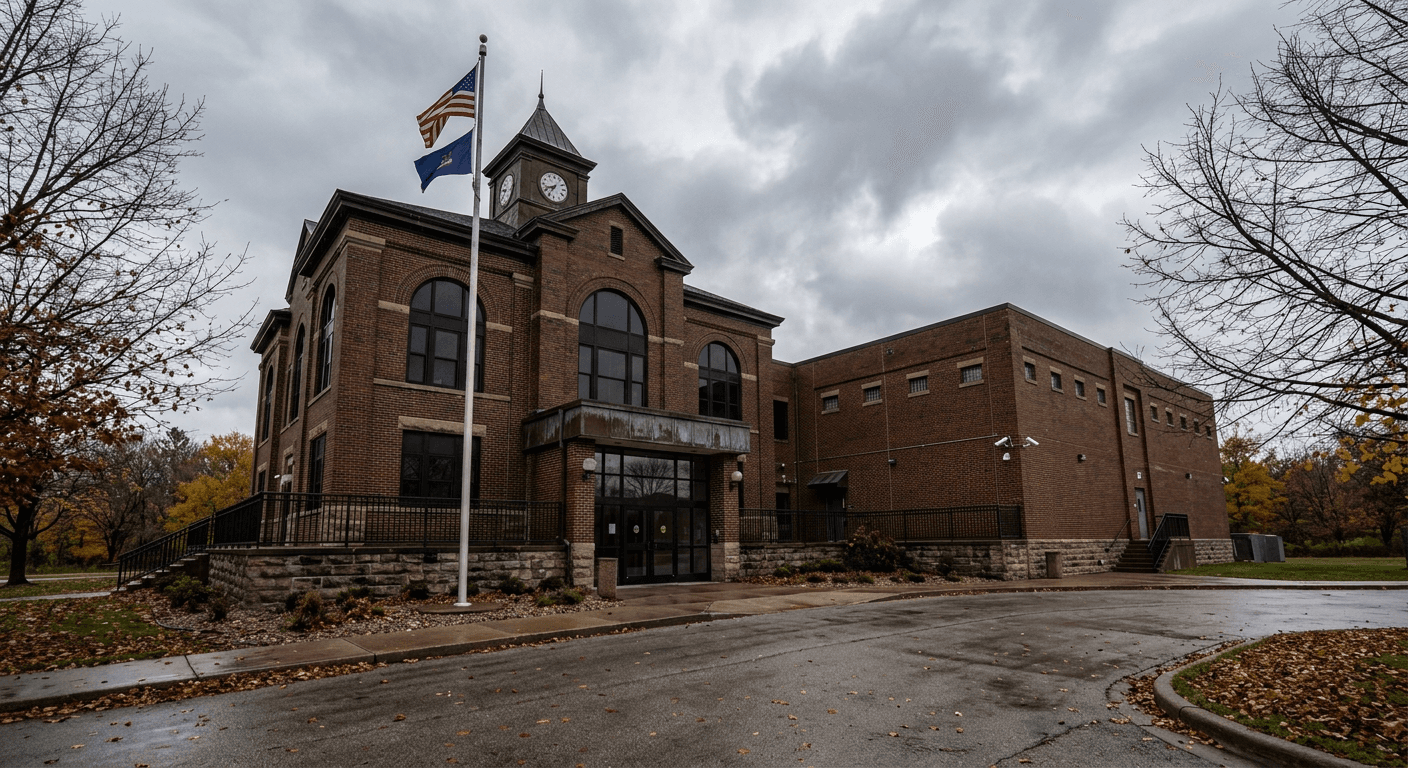
A 2:00 AM phone call from the jail facility on Forest Avenue demands immediate action, not a web search for how the local legal system functions. When an arrest occurs, the exact sequence of events inside the jail dictates how fast an individual can return home. Securing kanabec county bail bonds requires understanding exactly how the local roster operates, which conditions the judge attaches to the release, and what payment structures actually work. Relying on outdated information or guessing at bail schedules leaves individuals sitting in a cell, waiting for court dates that could be days away. Navigating the legal mechanisms of custody, conditional release, and surety contracts is the only reliable way to interrupt the detention process before a weekend hold solidifies.
Quick Summary
Securing a release from custody in Mora involves navigating mandatory booking procedures, judicial bail conditions, and strict surety bond requirements under Minnesota law. Understanding how to structure the payment and bypass restrictive release terms accelerates the timeline and protects the defendant's daily life.
- Booking and fingerprinting must completely clear state databases before a bond can be posted.
- Unconditional bail options remove mandatory check-ins and electronic home monitoring (EHM).
- By law, 3%-5% down on qualifying bonds, no credit check, flexible payment plans define the financing structure.
- Active warrants from other Minnesota counties halt local release procedures entirely.
Table of Contents
- Processing Delays Dictate the Custody Timeline
- Release Restrictions Cost More Than the Premium
- DWI Custody Triggers Specific Mandatory Holds
- Active Warrants Block Immediate Local Release
- Financing Does Not Require Perfect Credit
- The Bail Contract Outlasts the Release
- FAQ
- Recommended Reads
Processing Delays Dictate the Custody Timeline
The moment a person enters the jail facility, a rigid administrative clock starts ticking. Before any agent can post a surety bond, the inmate must complete the entire intake and booking process. This procedure involves far more than taking a photograph and cataloging personal property. Jail staff must submit the individual's fingerprints through the Live Scan system, which transmits the data directly to the Minnesota Bureau of Criminal Apprehension (BCA).
The BCA database verifies the individual's identity and scans for outstanding warrants across all jurisdictions. If the system is running slowly, or if the arrest happens during a busy Friday night shift, this automated check can take hours. Until the BCA clears the prints and the local roster officially registers the inmate's bail amount, no funds can be submitted. Understanding this mechanism is critical for families waiting by the phone.
Attempting to rush the booking officers or continuously calling the dispatch desk does not speed up the Live Scan return. The most effective strategy is to have the surety contract fully signed and the premium staged so that the moment the local system shows the inmate as eligible for bond, the agent can file the certificate immediately.
Release Restrictions Cost More Than the Premium
Minnesota courts frequently issue two distinct bail amounts for an arrest: a conditional amount and an unconditional amount. The conditional figure is always lower, which causes many families to instinctively choose it without understanding the severe limitations it imposes on the defendant's life. Conditional release functions as a probationary period before a trial even begins.
When a judge sets conditional bail, the defendant must sign an agreement adhering to strict court orders. These typically include mandatory electronic home monitoring (EHM), SCRAM continuous alcohol monitoring bracelets, random urinalysis (UAs), and weekly check-ins with a pre-trial release officer. Furthermore, conditional releases often ban the individual from leaving the state or even the county without explicit judicial permission. The equipment required for EHM and alcohol monitoring is not provided for free; the defendant pays daily rental and monitoring fees that quickly exceed the cost of the initial bail premium.
An unconditional release means the defendant walks out of jail with no monitoring equipment, no geographic travel bans within the state, and no daily fees draining their bank account. They simply must attend their scheduled court dates and avoid new arrests.
Practical rule: Always calculate the daily cost of electronic home monitoring and missed work before accepting conditional bail; the higher unconditional premium often costs less out of pocket over a standard three-month trial period.
DWI Custody Triggers Specific Mandatory Holds
Driving while impaired arrests follow a distinct set of rules regarding custody timelines. Unlike standard misdemeanors where an individual might be booked and immediately assigned a bail amount, DWI arrests trigger mandatory intoxication holds. Minnesota law requires that an impaired driver be held until their blood alcohol concentration drops to a safe level, or until a specific block of hours has passed, depending on the severity of the charge and any prior offenses.
During this hold, the individual cannot be bonded out, regardless of how quickly the paperwork is signed. However, waiting for the hold to expire before securing representation is a critical mistake. A knowledgeable agent tracking the custody status will prepare the surety bond while the hold is active. Once the jail administration lifts the hold, the bond is already in place to prevent the individual from being transferred to a longer-term housing unit or caught in the weekend court blackout, where a Friday arrest leads to a Tuesday court appearance due to holidays.
This precision requires an agent who understands local dispatch operations and knows exactly who to contact at the desk. When searching for bail bonds near me, the determining factor in release speed is not the geographic distance of the agent's office, but their familiarity with the county's specific intoxication hold protocols.
Active Warrants Block Immediate Local Release
A local arrest often uncovers unresolved legal issues from neighboring jurisdictions. If an individual is pulled over in Mora but missed a court date in Pine City two years prior, the BCA database scan during booking will flag the active warrant. This creates a multi-jurisdictional hold.
When an out-of-county warrant is present, paying the local bail amount does not result in freedom. Instead, the local jail clears its own hold, but keeps the individual in custody to await transport to the county that issued the warrant. Jail transport schedules are unpredictable and can take days, during which the individual remains incarcerated. Resolving this requires an agent who can write and file bonds across multiple county lines simultaneously.
The local bond clears the current charge, and the out-of-county bond quashes the active warrant. Both certificates must be filed before the local jail administration will authorize the release. Failing to identify the secondary hold before paying the first premium leaves the indemnitor out of pocket while the defendant remains behind bars awaiting a transport van.
Financing Does Not Require Perfect Credit
The most pervasive misconception about securing a jail release is that it requires producing massive amounts of liquid cash immediately. While courts do accept full cash bail, tying up thousands of dollars for the duration of a legal case - which can last anywhere from six months to two years - is financially devastating for most families. The alternative is a surety bond, which operates as an insurance policy guaranteeing the defendant's appearance in court.
To secure a surety bond, a co-signer (known as an indemnitor) signs a contract taking financial responsibility for the full bail amount if the defendant flees. In exchange for this guarantee, the indemnitor pays a non-refundable premium to the agency. Finding an affordable bail bondsman means looking for clear, compliant pricing structures rather than predatory terms.
By law, 3%-5% down on qualifying bonds, no credit check, flexible payment plans dictate how these arrangements are structured in this market. The state regulates the maximum premium that can be charged, preventing exorbitant price gouging. Because credit scores do not determine eligibility, the focus shifts to the indemnitor's employment stability and relationship with the defendant.
Comparing Release Mechanisms
| Release Mechanism | Upfront Requirement | Pre-Trial Restrictions | Long-Term Financial Impact |
|---|---|---|---|
| Cash Bail (Direct to Court) | 100% of bail amount | Varies by judicial order | Full amount tied up indefinitely; returned minus court fines |
| Surety Bond (Conditional) | Premium paid to agent | EHM, UAs, travel bans | Hidden costs of daily monitoring fees and lost wages |
| Surety Bond (Unconditional) | Premium paid to agent | None | Fixed premium cost, zero daily monitoring fees |
The Bail Contract Outlasts the Release
Walking out of the facility on Forest Avenue is the beginning of the bail process, not the end. The surety bond remains active until the court case is entirely resolved - either through dismissal, a plea agreement, or a trial verdict. Throughout this period, the defendant and the indemnitor are bound by the terms of the contract they signed.
The primary requirement is flawless court attendance. The court provides a schedule of hearings, and the defendant must be present for every single one. If the defendant fails to appear, the court issues a bench warrant and sends a notice of forfeiture to the surety agency. The agency then has a limited window to locate the defendant and return them to the court's jurisdiction before the entire bail amount becomes due.
Practical rule: Court dates are non-negotiable; missing a scheduled hearing by even ten minutes can trigger an immediate bench warrant and initiate the forfeiture of the entire bond amount.
Indemnitors must understand that they hold the ultimate financial liability. If the defendant attempts to flee the state or actively evades court, the indemnitor will owe the full bail amount. This mechanism ensures that the community and family members have a vested interest in the defendant's compliance with the judicial system. Once the judge officially closes the case and exonerates the bond, the surety contract is terminated, and the indemnitor's financial liability is dissolved.
FAQ
How long does the release process take at the Mora jail? The timeline depends entirely on the state's Live Scan fingerprint system. Once fingerprints clear the BCA database and check for out-of-county warrants, the local roster sets the bail. After the agent files the surety paperwork, release typically takes one to two hours.
Can I secure a bond without a credit check? Yes. By law, 3%-5% down on qualifying bonds, no credit check, flexible payment plans form the standard financing framework, relying on employment history and community ties rather than credit scores.
What is the difference between conditional and unconditional bail? Conditional bail is cheaper upfront but requires the defendant to adhere to strict rules like electronic home monitoring, alcohol sensors, and travel bans. Unconditional bail requires a higher premium but removes all pre-trial restrictions aside from attending court.
Does the bail premium get refunded after court? No. The premium paid for a surety bond is a non-refundable fee for the service of guaranteeing the full bail amount to the court and securing the defendant's release.
What happens if the defendant misses a court date? The court will immediately issue a bench warrant and begin forfeiture proceedings on the bond. The indemnitor becomes liable for the full bail amount unless the defendant is quickly returned to the court's jurisdiction.