How to Resolve Skipping Bail Consequences and Active Warrants in Minnesota
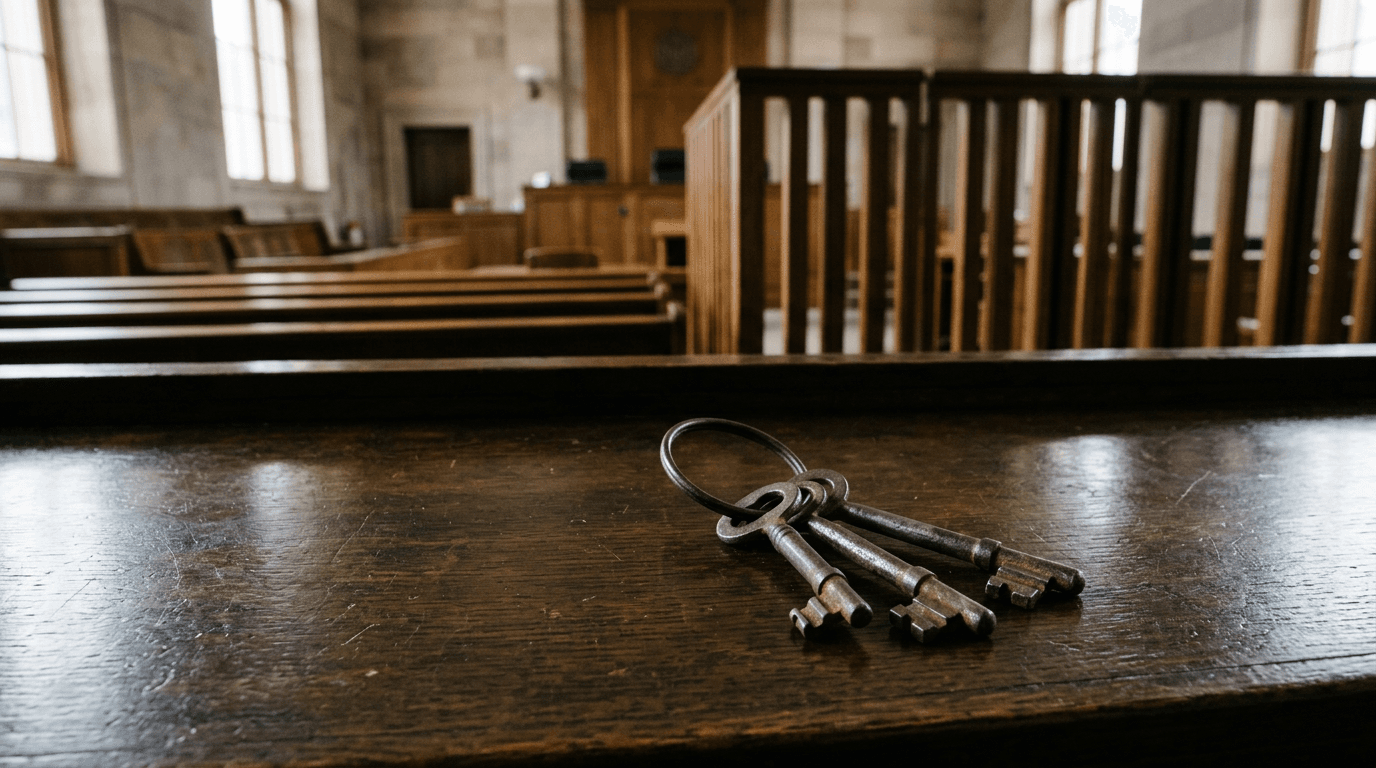
A defendant misses a mandatory hearing at a Minnesota courthouse. Within minutes of the unexcused absence, the presiding judge revokes the existing bond and issues a bench warrant for immediate arrest. The legal reality of skipping bail is swift: court clerks enter the warrant into state databases immediately, meaning any routine traffic stop, noise complaint, or minor infraction will end in handcuffs. Resolving a failure to appear requires immediate action to mitigate the financial loss of the forfeited bond and prevent a standalone criminal prosecution. Ignoring a missed court date does not make the underlying charges disappear; it only arms law enforcement with the authority to detain the defendant on sight and forces the court to aggressively escalate the financial penalties.
Quick Summary
Skipping a mandated court appearance in Minnesota triggers an immediate bench warrant, the forfeiture of the original bond, and the potential for a separate criminal prosecution. Resolving this failure to appear requires verifying the warrant status, coordinating with a bonding agency to arrange a voluntary surrender, and securing a new warrant bond before law enforcement executes an involuntary arrest.
- Bench warrants activate immediately upon a missed hearing, alerting all state law enforcement.
- Failure to appear generates a distinct criminal charge based on the original offense level.
- Voluntary surrender demonstrates compliance and simplifies the process of securing a new bond.
- Communicating with the bond agent prevents aggressive forfeiture actions and protects the cosigner.
Table of Contents
- 1. Verifying the Bench Warrant and Forfeiture Status
- 2. Categorizing the Severity of the New Charge
- 3. Securing Your Bond Agent's Assistance Before Arrest
- 4. Executing a Voluntary Surrender at the County Jail
- Common Pitfalls When Handling a Failure to Appear
- FAQ
- Recommended Reads
1. Verifying the Bench Warrant and Forfeiture Status
How Court Databases Update After an Absence
The moment a defendant's name is called in a Minnesota courtroom and no one answers, the judicial process shifts from adjudication to apprehension. The judge formally notes the failure to appear on the record and orders a bench warrant. This order is transmitted electronically to the local sheriff's department, which enters the warrant into state and national crime information databases. For a defendant dealing with Anoka Bail Bonds | Anoka Jail | 651-402-4868, the transition from a defendant on release to a wanted fugitive takes less than an hour. The original bond is immediately revoked, and the court issues a Notice of Intent to Forfeit to the surety company.
To manage this, the defendant or their family must verify the exact status of the warrant through the Minnesota Court Information System (MNCIS) or by having an attorney contact the court clerk. You must identify whether the judge issued a standard bench warrant with a new, higher bail amount, or a body-only warrant that requires the defendant to be held without bail until they can be brought before a judge.
The critical mistake individuals make at this stage is assuming the court will mail a new court date or call to reschedule. Courts do not issue reminders for missed criminal hearings. Treating a missed court appearance like a missed dental appointment guarantees that the defendant will eventually be arrested in public, often in front of family or an employer, which severely damages their credibility when they finally stand before the judge.
2. Categorizing the Severity of the New Charge

The Mechanics of Statutory Escalation
Failing to appear is not merely a violation of court rules; it is a standalone crime. When a defendant misses court, the prosecutor has the authority to file a separate bail jumping charge entirely disconnected from the original offense. The severity of this new charge mirrors the severity of the underlying crime the defendant was originally facing. If a defendant misses court for a minor infraction, they face a bail jumping-misdemeanor. If the original charge was severe, such as a high-level drug offense, the new charge becomes felony bail jumping.
This statutory linkage means that the penalties stack. A defendant who misses a hearing for a drunk driving offense detailed at DWI Bail Bonds by James: Call 651-402-4868 Now will not only face the original DWI penalties but also a subsequent misdemeanor bail jumping prosecution. The court treats fleeing or ignoring the judicial process as an insult to its authority, meaning prosecutors rarely drop these secondary charges even if the original charges are eventually dismissed or pleaded down.
The most frequent mistake defendants make is believing that fighting and winning the original case will automatically erase the failure to appear. It does not. A jury can acquit a defendant of the original theft or assault charge, and the prosecutor can still successfully convict them of the bail jumping charge because the failure to appear in court is an undisputed, documented fact.
3. Securing Your Bond Agent's Assistance Before Arrest
Halting the Civil Forfeiture Process
When a defendant skips court, the bonding agency faces immense financial exposure. The court demands the full penal amount of the bond unless the agency can locate and return the defendant within a strict statutory window. If the defendant initiates contact immediately after a missed hearing, the civil nature of the bond agreement allows the agent to intervene constructively. The agent can draft a reinstatement petition or arrange a new warrant bond to replace the forfeited one.
By law, 3%-5% down on qualifying bonds, no credit check, flexible payment plans remain applicable when securing a new warrant bond, provided the defendant acts voluntarily and coordinates with their agent. The bonding agency's primary goal is to resolve the court's financial demand, which is easiest when the client communicates their location and intentions. A professional agency can schedule a safe surrender, allowing the defendant to walk into the facility with a new bond already prepared. Those who need to initiate this process immediately can reach out through Contact Bail Bondsman Minnesota | Available 24/7 MN | 651-402-4868 to secure professional guidance.
Practical rule: Always notify the bail agency before the court notifies them; an agent is far more likely to write a reinstatement bond for a client who communicates proactively than one they have to hunt down.
The failure mode here is evasion. Defendants often dodge their bondsman's phone calls out of fear that the agent will arrest them. In reality, ignoring the agent forces the agency to initiate skip tracing and fugitive recovery protocols to protect their financial liability. Turning a civil breach of contract into a manhunt guarantees that the agency will not assist with future bonding needs and leaves the cosigner fully liable for the original bond amount.
4. Executing a Voluntary Surrender at the County Jail
The Mechanics of Warrant Execution
Once a warrant is active, it must be legally executed. The safest and most strategic way to execute a bench warrant is through a voluntary surrender at the county jail. If a defendant must resolve a warrant in Elk River, presenting themselves at the intake desk as detailed in Sherburne Bail Bonds | Elk River Jail | 651-402-4868 with a bondsman present allows the facility to process the arrest and the release almost simultaneously.
The mechanics of this process involve the intake deputy pulling the warrant from the system, formally booking the defendant to clear the active warrant status, and immediately accepting the new surety bond to process the release. Because the defendant walked in under their own power, the booking narrative reflects compliance. When the judge reviews the case file the next morning, the record shows a voluntary submission rather than a forced apprehension, which heavily influences whether the judge will allow continued pretrial release.
The critical mistake defendants make is poor timing. Surrendering at 8:00 PM on a Friday guarantees a weekend in a holding cell. County administrative offices and judicial chambers operate on standard weekday hours. If a defendant surrenders without a pre-arranged bond on a Friday evening, or if the judge demands a new bail hearing, the defendant will sit in custody until the court convenes its next regular docket. Always coordinate surrenders early in the week, preferably Tuesday or Wednesday mornings, to ensure swift processing.
Common Pitfalls When Handling a Failure to Appear
A failure to appear is a binary record in the court system - you are either present or you are not. However, the reasons behind an FTA vary wildly, and treating every missed court date the same way leads to severe legal missteps. Below are three distinct failures that result in an FTA, each requiring a completely different resolution strategy.
The Administrative Misdirection (Most Common)
- Symptom: The defendant arrived on time but went to the wrong county courthouse, or sat in the wrong courtroom waiting for a name that was never called. For example, a defendant might mistakenly drive to Center City as outlined in Chisago Bail Bonds | Center City Jail | 651-402-4868 instead of the correct venue in a neighboring jurisdiction.
- Fix: Do not simply leave and wait for a new date. Obtain physical proof of your presence - a time-stamped parking receipt, a security screening log, or a conversation record with the information desk. Have your attorney file a motion to quash the warrant immediately, attaching the evidence of your good-faith attempt to appear. Judges routinely recall warrants when provided with documented proof of an administrative error.
The Medical Emergency
- Symptom: The defendant missed court because they were physically incapacitated, hospitalized, or involved in a severe traffic accident on the way to the courthouse.
- Fix: Calling the clerk's office from a hospital bed is insufficient. The court requires formal, written documentation. The defendant must obtain official hospital admission records or a police accident report and route them to their defense attorney and bonding agency immediately. The attorney will present these records to the judge to demonstrate that the absence was involuntary, preventing the issuance of a secondary criminal charge.
The Custody Overlap
- Symptom: The defendant missed a hearing in one county because they were arrested on new charges and held in custody in a different county the night before.
- Fix: The court where the hearing was missed has no automatic way of knowing the defendant is sitting in a neighboring jail. The defendant's family must notify the bonding agency immediately. The agency will verify the incarceration status and file an inter-county notification with the court, proving the defendant is in state custody. This halts the bond forfeiture process, as the agency cannot legally produce a defendant who is currently detained by another law enforcement agency.
FAQ
Can a bail jumping misdemeanor be dropped if I just pay the original fine?
No. A failure to appear generates a distinct criminal offense against the administration of justice. Paying a fine or resolving the underlying charge does not automatically erase the secondary offense. A prosecutor must actively dismiss the charge, which rarely happens without aggressive legal negotiation.
Does skipping bail affect my cosigner's financial liability?
Yes, absolutely. The moment a defendant skips court, the cosigner (indemnitor) becomes legally responsible for paying the entire bond amount to the court. If the defendant fails to surrender or refuses to cooperate with the agency to secure a new warrant bond, the agency will pursue the cosigner for the full financial loss, including initiating civil lawsuits or placing liens on pledged collateral.
How long does a Minnesota bench warrant remain active?
Bench warrants do not expire. They remain active in state databases indefinitely until the defendant is apprehended, surrenders voluntarily, or dies. A warrant issued a decade ago will still result in an immediate arrest during a routine traffic stop today.
Can a bonding agency revoke my bond without a judge's order?
Yes. Under the terms of the surety contract, if a bonding agent discovers a defendant is preparing to flee the jurisdiction, or if the defendant violates the internal conditions of the bail agreement (such as disconnecting contact numbers or removing GPS monitors), the agent can legally apprehend the defendant, return them to the county jail, and surrender the bond off the court's docket without waiting for a failure to appear.
What should I do if I find out I have a warrant but cannot reach my attorney?
If you discover an active warrant and cannot reach legal counsel, your first call should be to your bonding agency. For example, defendants in Cambridge can consult Isanti Bail Bonds | Cambridge Jail | 651-402-4868 to understand the exact bail amount attached to the new warrant. The agency can prepare the financial paperwork required for release before you ever set foot inside the facility.