How to Clear a Minnesota Arrest Warrant With a Bail Bond
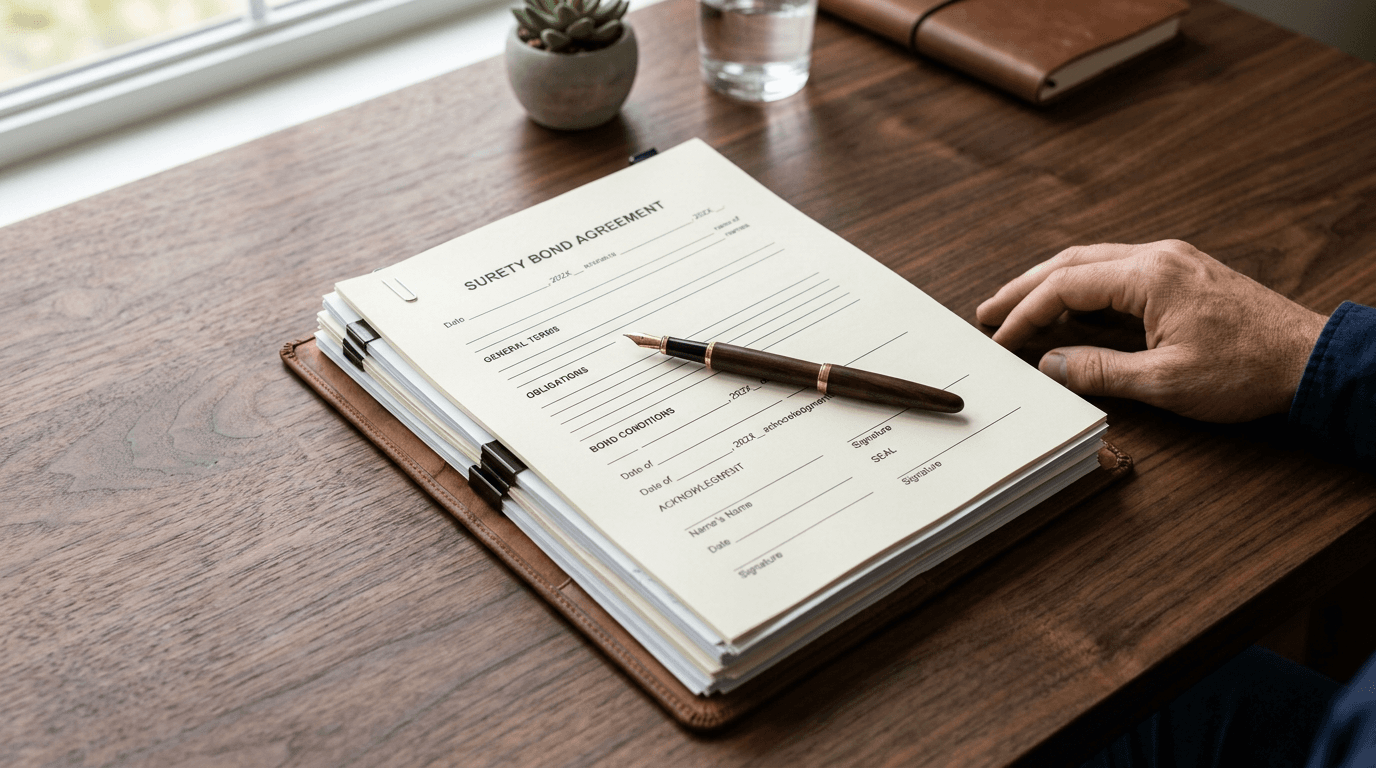
Most people discover an active Minnesota arrest warrant during a routine traffic stop in Sherburne or Anoka County, turning a broken taillight into an immediate booking process. Others find out when a background check stalls or a letter arrives from the court. The mechanism behind resolving a warrant is not to hide from it, but to dictate the terms of your surrender. Walking into a county jail unannounced guarantees you will sit in a holding cell until a judge is available, which often means spending a weekend in custody. Arranging a surety bond beforehand changes the sequence: you secure the release terms before you cross the threshold of the facility, turning an unpredictable arrest into a scheduled, administrative process.
Quick Summary
Clearing a warrant in Minnesota requires executing a walk-through at a county jail with a surety bond already in place. This legal process prevents prolonged detention by ensuring the court's financial requirements are met before you surrender to law enforcement.
- Identify the exact county holding the active warrant.
- Arrange surety terms prior to approaching any law enforcement facility.
- Conduct a scheduled walk-through booking to process the paperwork.
- Maintain compliance with all court dates to keep the bond active.
- Address probation holds immediately, as they carry distinct court requirements.
Table of Contents
- 1. Confirm the Jurisdiction and Bond Amount
- 2. Secure Representation and Financing
- 3. Execute the Walk-Through at the Facility
- 4. Navigate the Booking Protocol
- 5. Address Probation Holds Safely
- Common Pitfalls & Troubleshooting
- FAQ
- Recommended Reads
1. Confirm the Jurisdiction and Bond Amount
The first mechanical step is isolating exactly where the warrant originated and what financial conditions the judge attached to it. A warrant issued in Washington County cannot be cleared by walking into a facility in St. Louis County; you must process the paperwork in the jurisdiction that holds the authority.

When a judge signs a warrant, they typically attach a specific financial condition for release. This information is a matter of public record, but the system is decentralized. A bail bond warrant search through public court access terminals or via a professional bondsman will reveal the originating county, the underlying charge, and the exact dollar amount required to lift the hold. The failure mode here is guessing. People frequently assume a warrant is active in their county of residence, when it was actually issued by a neighboring jurisdiction where a traffic incident occurred months prior. Attempting to clear a warrant in the wrong facility results in an immediate transfer hold, where you are detained locally while awaiting transport to the correct county.
Always verify the issuing authority. If the warrant originated from Sherburne County Jail, that is precisely where the walk-through must be coordinated. Knowing the exact bond amount is non-negotiable, as the paperwork must be drafted to match the court's order down to the cent before you approach the building.
2. Secure Representation and Financing
Once the jurisdiction and amount are confirmed, the next phase is drafting the surety agreement. Walking into a lobby to surrender without this paperwork in hand is a voluntary forfeiture of your freedom. The jail staff will book you, and you will wait in a cell while your family scrambles to find someone to post the funds.
By law, 3%-5% down on qualifying bonds, no credit check, flexible payment plans apply when working with a professional bondsman. This structure allows you to secure a high-dollar warrant without liquidating assets. The bondsman assumes the financial risk, guaranteeing the full amount to the court in exchange for the premium. The mechanics require the indemnitor (usually a family member) to sign the agreement, establishing a financial guarantee that the defendant will appear in court.
Practical rule: Never walk into a county facility without your bondsman having already contacted the jail records department to confirm the paperwork is en route.
The mistake individuals make at this stage is attempting to negotiate directly with court administration over the phone. Court clerks cannot reduce a bond amount over the phone, and calling them repeatedly only alerts local law enforcement to your active status. The correct approach is to have a bondsman review the warrant, establish the payment structure, and print the legal documents required to authorize your immediate release upon booking.
3. Execute the Walk-Through at the Facility
A walk-through is an orchestrated legal procedure where a defendant surrenders to a jail facility with their release mechanism already verified and waiting. It transforms an arrest into an administrative booking.
When you arrive at a facility like the Anoka County Jail, the bondsman has already transmitted or physically delivered the surety documents to the records department. You walk in, inform the desk staff that you are there to clear an active warrant, and state that your bondsman has submitted the paperwork. The facility must still process you - this is a legal requirement. You will be fingerprinted, photographed, and entered into the jail's roster system so the court records show the warrant was officially served.
However, because the bond is already posted, you bypass the general population housing. The failure mode here is timing. Arriving at a jail lobby at 2:00 AM on a Saturday often means encountering minimal staffing, which drastically slows down the fingerprinting and release process. The most efficient walk-throughs are scheduled during early morning, mid-week hours when court administrators and records personnel are fully staffed, ensuring the paperwork moves from the booking desk to the release desk without delay.
4. Navigate the Booking Protocol
The mechanics of the booking protocol are rigid. Once you surrender, you are technically in state custody. The facility staff will inventory your personal property, conduct a medical screening, and run your fingerprints through the state database. This database check is the critical choke point of the entire procedure.
The fingerprint scan searches for secondary holds in other counties. If you are clearing a warrant in Isanti County Jail but the database flags an unresolved misdemeanor in Carver County, the facility cannot release you until the Carver County hold is also addressed. The common mistake is failing to disclose secondary warrants to your bondsman before the walk-through. A bondsman can prepare paperwork for multiple counties simultaneously, but they cannot post a bond for a warrant they do not know exists. If a hidden hold appears during booking, the walk-through stalls, and you will be placed in a holding cell until the secondary paperwork is drafted and delivered. Total transparency with your bondsman about your legal history is the only way to ensure the booking protocol concludes with an immediate release.
5. Address Probation Holds Safely
Probation-related warrants operate under a completely different mechanical structure than standard arrest warrants. When an individual violates the terms of their supervision, the probation officer petitions the court for a detainer.
Securing bail for violation of probation requires specific authorization from a judge. In many instances, the initial warrant is issued as a body-only hold. However, a bondsman can often monitor the court docket. Once the initial hearing takes place or the judge reviews the probation officer's report, a financial condition is frequently set. The mistake families make is assuming a probation detainer is permanent. They wait for weeks, not realizing that a judge may have authorized a surety release three days after the arrest.
Navigating this requires proactive monitoring. If someone is held in the Washington County Jail on a probation detainer, the bondsman tracks the daily roster and court updates. The moment a dollar amount is attached to the file, the surety agreement can be executed. Understanding that probation holds transition from unconditional detainers to bondable offenses is critical for minimizing custody time.
Common Pitfalls & Troubleshooting
The Out-of-County Detainer
- Symptom: The jail refuses to process the release despite the local bond being posted.
- Fix: You have a secondary warrant in a neighboring jurisdiction. The bondsman must immediately contact the secondary county, confirm the bond amount, and process a second surety agreement to lift the transfer hold.
The 'Body Only' Judicial Order
- Symptom: The records department states the warrant cannot be cleared with funds.
- Fix: The judge has issued a strict detention order, often tied to severe non-compliance. The defendant must be booked and wait for an arraignment hearing where an attorney can petition the judge to assign a financial condition to the warrant.
The Misspelled Warrant Profile
- Symptom: The public access terminal shows no active warrants, but law enforcement insists a hold exists.
- Fix: Court administration misspelled the defendant's name or entered an incorrect date of birth into the state system. A professional bondsman must search using alternative identifiers (like a driver's license number or state ID) to locate the hidden file and extract the correct bond amount.
The Weekend Walk-Through Delay
- Symptom: The walk-through was initiated on a Sunday night, but the defendant is still in the booking area six hours later.
- Fix: Jail staffing is operating at minimal capacity, prioritizing active arrests over voluntary surrenders. The fix is strictly preventative: schedule walk-throughs during business hours on weekdays when facility processing speeds are optimal.
FAQ
What happens if I encounter a no bail warrant?
A no bail warrant means the issuing judge has explicitly commanded law enforcement to detain the individual until they can be brought into court for a hearing. No surety agreement or cash payment can override this order. The individual must surrender, be booked into the county facility, and appear before a judge, who will then decide whether to attach a financial condition for release.
Can I clear a warrant without bail being posted?
A warrant without bail attached is effectively a mandatory detention order. In Minnesota, certain severe charges or repeated failures to appear prompt judges to remove financial release options entirely until a formal hearing occurs. You cannot use a bondsman for these specific orders until the judge reviews the case and reinstates a bond amount.
How is probation violation bail different from a standard warrant?
Probation violation bail is entirely dependent on the probation officer's recommendation and the judge's discretion. Unlike a standard arrest warrant, which usually has a preset bail schedule attached immediately, a probation warrant often starts as a temporary hold. A financial condition is usually only assigned after the court has reviewed the nature of the violation.
Will I be handcuffed during a walk-through?
Yes. Even during a scheduled, voluntary walk-through with a bondsman, you are officially surrendering to law enforcement. Facility protocol dictates that you must be secured, searched, and processed through the booking area. The difference is that your release paperwork is already moving through the system, ensuring you leave shortly after processing.