How to Check Bail Bond Status and Meet MN Court Requirements
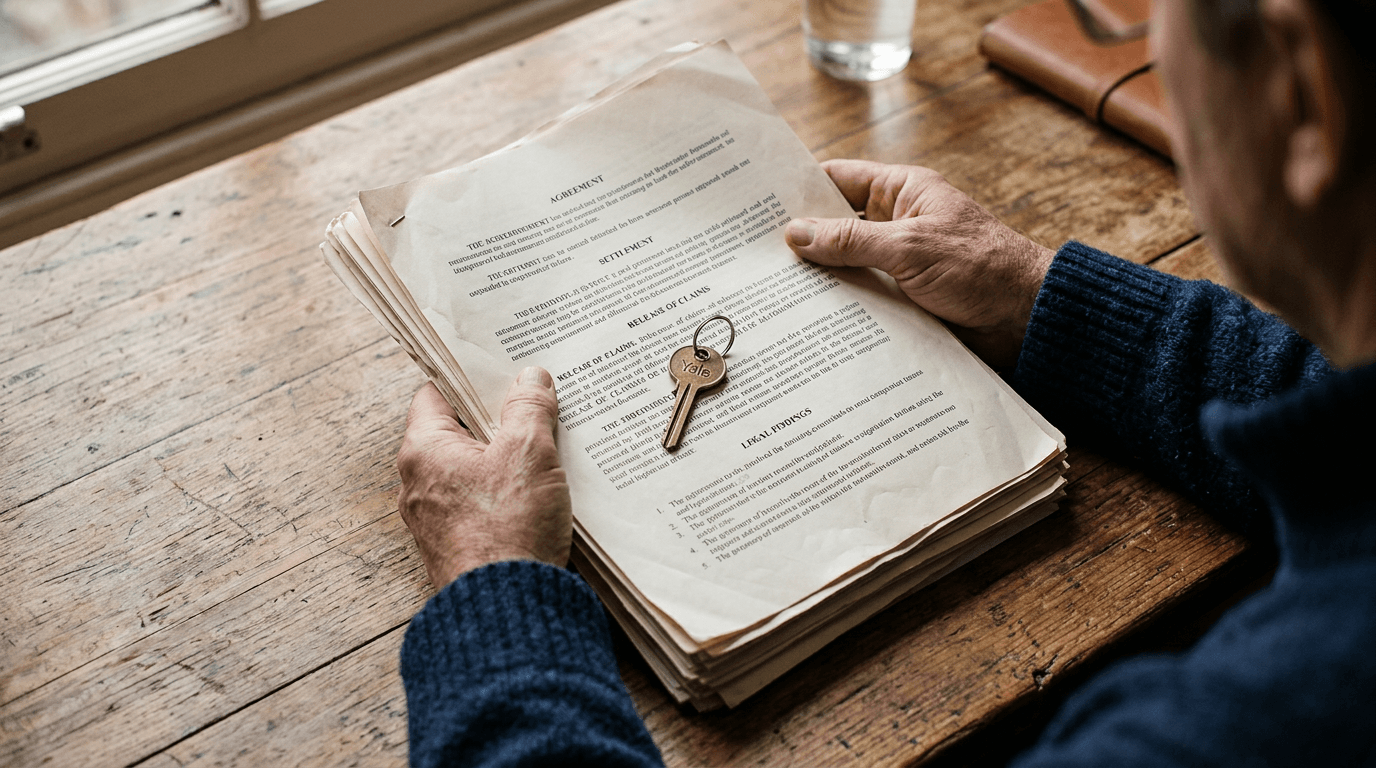
Walking out of a Minnesota county jail is a logistical shift, not the end of a criminal case. The moment the release paperwork is signed, the defendant is bound by a strict set of court-ordered conditions and a financial agreement. Most defendants assume that physical release means the legal process is paused until their assigned court date. That assumption is what fills up county holding cells with bench warrants. To maintain your freedom, you must actively track and check bail bond status, ensuring that every condition set by the judge and every requirement of your surety bond is met without interruption.
Quick Summary
Checking your bail bond status means verifying your active court dates, confirming compliance with release conditions, and ensuring your surety bond remains in good standing. Failing to monitor these requirements can result in immediate arrest and the revocation of your bond.
- Always verify your exact release conditions before leaving the jail facility.
- Track your case weekly through the Minnesota Court Records Online (MCRO) system.
- Maintain continuous contact with your bondsman and report any changes in address or employment.
- Missed court appearances automatically generate bench warrants, requiring immediate legal and financial intervention to resolve.
Table of Contents
- 1. Confirming the Initial Release Conditions
- 2. Finding Accurate Inmate Bail Information
- 3. Managing Court Dates and Check-Ins
- 4. Conducting a Bail Bond Warrant Search
- 5. Handling a Situation When You Are Sent Back to Custody
- Common Pitfalls & Troubleshooting
- FAQ
- Recommended Reads
1. Confirming the Initial Release Conditions
The first step to maintaining a clean status begins before the defendant even leaves the jail lobby. Minnesota courts issue very specific release orders, and misunderstanding them is the most common reason individuals end up back in custody. You must know exactly what type of bond was posted and what restrictions apply.
Courts typically offer a choice between conditional and unconditional bail. Conditional bail sets a lower financial threshold but requires the defendant to adhere to strict rules, such as remaining law-abiding, submitting to random drug testing, wearing an Electronic Home Monitor (EHM), or staying within state lines. Unconditional bail requires a much larger upfront bond amount, but the only requirement is that the defendant appears at all scheduled court hearings. If you are dealing with specific charges like driving while impaired, securing DWI Bail Bonds : Unconditional Bail | Monitor Relief MN removes the burden of EHM and check-ins, provided the full unconditional amount is posted.
The mistake people make here is assuming verbal instructions from a jail deputy override the written release order. Deputies process dozens of releases a shift; they do not memorize the nuances of your specific case. You must secure a physical copy of the release order and read the checked boxes yourself. If a box for "no contact" or "do not enter establishment" is checked, a single violation reported to the court will result in a warrant, regardless of whether you understood the condition.
2. Finding Accurate Inmate Bail Information
When attempting to track a case or find out the status of a newly arrested individual, families often scramble through search engines instead of using official channels. This leads to acting on outdated or entirely false data.
To find accurate inmate bail information, you must bypass third-party aggregator websites and go directly to the source: the specific Minnesota county jail roster. Counties like Anoka, Carlton, Carver, and Isanti maintain their own active inmate rosters online, updating them as individuals are booked, assigned a bail amount by a judge, and released. For example, if an individual is held up north, checking the official roster for Bail Bonds: DULUTH | Saint Louis County Jail is the only way to confirm the exact monetary amount required for their release and the specific charges filed by the prosecutor.
Practical rule: Never rely on the postal service for your court dates; log into the Minnesota Court Records Online (MCRO) system every Monday morning to confirm your next appearance.
Once the defendant is out, finding bail information on an inmate transitions from the jail roster to the Minnesota court system. The MCRO database tracks all scheduled hearings, filed motions, and case statuses. The primary failure mode here is timing. Families often check the MCRO system hours after an arrest and panic when nothing appears. It takes time for the prosecuting attorney to officially file the complaint and for the court clerk to generate the public record. Check the county jail roster for immediate holding status, and use MCRO for long-term court date tracking.
3. Managing Court Dates and Check-Ins
Securing a bond is a legal contract between three parties: the court, the defendant, and the bondsman. The bondsman guarantees the full bail amount to the court on the condition that the defendant shows up to every hearing. To maintain this agreement, the defendant must manage their check-ins perfectly.

Financial compliance is the foundation of this relationship. By law, 3%-5% down on qualifying bonds, no credit check, flexible payment plans dictate how these agreements are structured in Minnesota. Meeting the schedule of those flexible payment plans is not optional. If a defendant stops paying their premium or cuts off communication, the bondsman has the legal right to revoke the bond and surrender the defendant back to the county jail.
The mechanics of checking in are straightforward: answer the phone when the agent calls, report any change in home address immediately, and update the agency if your employment changes. Keeping your bail info current with the agency ensures they can reach you if the court unexpectedly moves a hearing date. If you used a service like Bail Bonds: CENTER CITY | Chisago County Jail, that local office needs to know exactly where you reside while the case is active. The most frequent error defendants make is avoiding their bondsman because they are short on a payment. Agents prefer communication over silence; going dark forces them to assume you are attempting to flee.
4. Conducting a Bail Bond Warrant Search
If you miss a court date, violate a no-contact order, or fail a court-mandated drug test, the judge will issue a bench warrant. At this stage, your bond status is in jeopardy, and you must act immediately before law enforcement executes the warrant.
Conducting a bail bond warrant search requires checking the MCRO system for your case number. If a warrant is active, the case status will clearly indicate it. However, some warrants, particularly those involving ongoing investigations or high-level felonies, are kept non-public until they are executed. If you suspect a warrant has been issued because you missed a hearing at the Bail Bonds: STILLWATER | Washington County Jail courthouse, you must contact your bondsman and your attorney immediately.
The mistake individuals make when they discover an active warrant is attempting to hide. A bench warrant does not expire. It will surface during a routine traffic stop, a background check for an apartment, or an employment screening. The correct fix is to have your attorney file a motion to quash the warrant and schedule a new hearing, while your bondsman prepares to post a new bond or reinstate the existing one with the court's permission. Turning yourself in with a bond already arranged is the only clean way to resolve this.
5. Handling a Situation When You Are Sent Back to Custody
There are specific scenarios where a judge decides that the defendant is no longer fit to remain in the community, completely altering the standing of the original bond.
When a judge revokes the current release conditions, you will see a bail status remanded entered into the court record. This means the defendant is immediately taken back into custody, and the original bond is discharged or forfeited depending on the circumstances of the violation. A remanded bail status typically occurs when the defendant commits a new crime while out on bond, repeatedly fails to appear for hearings, or severely violates a conditional release term, such as tampering with an ankle monitor.
If an individual's status is remanded to a facility like Bail Bonds: ANOKA | Anoka County Jail, the bondsman cannot simply write a new check to get them out that same afternoon. The defendant must wait in custody until a judge holds a new bail hearing. The mistake families make is directing their anger at the bail agent, demanding an immediate release. The fix requires an attorney to argue for new bail terms before the judge. Only after the judge sets a new bail amount can the agent execute a new bond to secure the release.
Common Pitfalls & Troubleshooting
Navigating Minnesota's pretrial release system requires strict attention to detail. Several common failures look like administrative errors but require entirely different approaches to fix.
Symptom: You arrive at the courthouse for your scheduled hearing, but your name is not on the docket, and the clerk says your case was moved. Diagnosis: Unnotified scheduling changes. Courts frequently consolidate or move hearings based on docket availability. Fix: Do not assume the case was dismissed. Check the MCRO database immediately using your case number to find the new date. Contact your attorney to confirm the change. Missing the real, rescheduled date will trigger a warrant, even if you showed up on the original day.
Symptom: A probation officer or pretrial monitoring service leaves a voicemail stating you have a boundary violation on your EHM. Diagnosis: GPS drift or an unauthorized deviation from your approved schedule. Fix: Address this the moment you hear the voicemail. Call the monitoring officer back immediately and provide proof of your location (e.g., a time-stamped store receipt or a statement from your employer). Ignoring a monitoring alert guarantees the court will revoke your conditional release and remand you to custody.
Symptom: Your defense attorney calls to say the prosecutor dropped the main charge, but the jail or court refuses to release your bond collateral. Diagnosis: The judge has not officially signed the dismissal order. A verbal agreement between attorneys means nothing to the court clerk holding the bond. Fix: Wait for the signed judicial order to be filed in the MCRO system. The most frequent cause of delayed bond discharge is paperwork backlog on the judge's desk. Once the order is signed and entered, the court administration will formally discharge the bond, allowing your agent to close out the file.
FAQ
How quickly does the Minnesota court system update an individual's status after an arrest?
Jail rosters typically update within hours of the booking process being completed. However, the MCRO database will not show the case until the prosecuting attorney files the formal complaint, which can take 36 to 48 hours, excluding weekends and holidays.
What happens to my bond if the court changes my hearing date without telling me?
You are ultimately responsible for knowing your court dates. While the court mails notices, you should proactively check the MCRO system weekly. If you miss a rescheduled date, a warrant will be issued, and your bond will be at risk of forfeiture.
Can a bondsman check if I have a warrant before I get arrested?
Yes. Bail agents have access to public court records and can conduct a search to see if a bench warrant has been issued for a missed court appearance. They can then advise you on how to arrange a new bond before you turn yourself in.
Does paying the bond mean I do not have to deal with the court anymore?
No. Posting a bond is simply a financial guarantee that you will attend all future court dates. It does not resolve the criminal charges. You must still comply with all release conditions and attend every hearing until the judge officially closes the case.