Carlton County Bail Bonds: What Happens After an Arrest
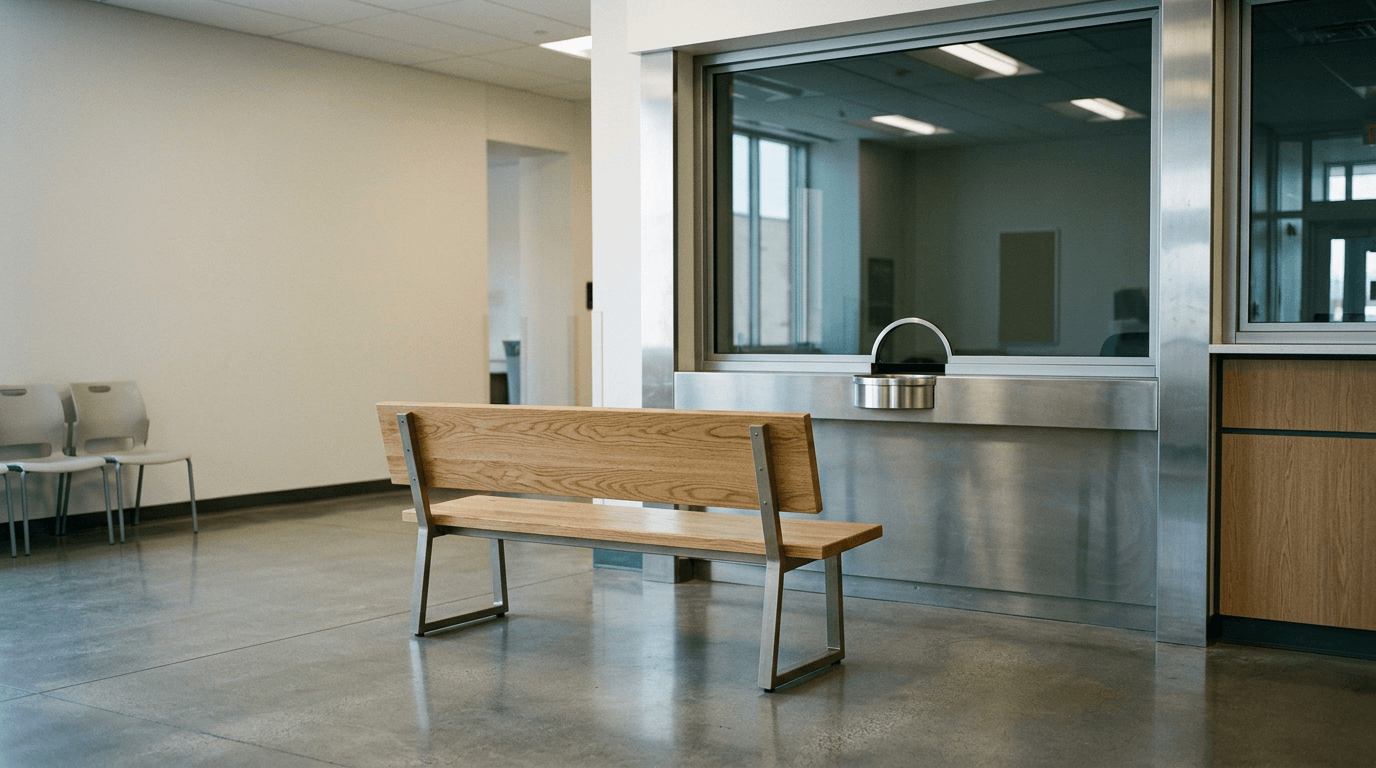
Standing in the public lobby of the jail after a late-night arrest, the immediate reality is not a sudden court appearance but a holding pattern. The arrestee sits in intake waiting for processing to complete, while family members outside wait for a definitive bail amount. Navigating carlton county bail bonds requires knowing exactly where the defendant is in this sequence, because no money can be posted until the facility finishes its mandatory checks.
Quick Summary
Securing a release from a municipal holding facility relies on understanding the booking timeline and the specific bail conditions set by the judge. A surety bond replaces the need to post the full cash amount directly to the court, shifting the financial mechanics to a state-regulated premium structure.
- Processing and fingerprinting must conclude before a bail amount is finalized.
- Judges typically set two distinct bail options: conditional and unconditional.
- A surety bond requires a fraction of the total bail amount to secure release.
- DWI arrests introduce mandatory holding periods before a release is legally permitted.
- Outstanding warrants in other counties will halt the release process entirely.
Table of Contents
- Processing bottlenecks dictate the release timeline
- Why the court sets two competing bail figures
- What financial exposure looks like without a surety bond
- The administrative failures that stall an immediate release
- How a DWI charge alters the standard holding period
- What the indemnitor actually agrees to sign
- FAQ
- Recommended Reads
Processing bottlenecks dictate the release timeline
When someone is arrested and transported to the facility, they do not simply walk up to a desk, receive a bail amount, and call home. The booking procedure is a rigid sequence of administrative tasks that must occur before navigating the Carlton County jail procedures can yield a release.
The intake process begins with a medical screening and property inventory. Once cleared, the individual undergoes fingerprinting via a live scan system. These digital prints are transmitted directly to the Minnesota Bureau of Criminal Apprehension (BCA). The BCA system cross-references the prints against statewide and national databases to verify the individual's identity and check for any outstanding warrants. This database query is the most common bottleneck in the entire sequence.
If the state system is running slowly, or if a high volume of weekend arrests creates a backlog at the local facility, processing stalls. Until the BCA returns a cleared status, the booking officer cannot finalize the file. This means the jail cannot accept carlton mn bail bonds or cash deposits, because they do not yet know the legal status of the person in custody. Calling the jail repeatedly during this window will not accelerate the fingerprint return. The only actionable step for a family member is to secure the individual's exact booking number and verify whether the BCA return has been received.
Why the court sets two competing bail figures
Minnesota utilizes a two-tier bail system, meaning a judge will almost always set two different amounts for a defendant's release. Understanding the mechanics behind these figures is critical before signing any paperwork.
The first figure is the unconditional bail amount. This is the maximum sum set by the court. If this amount is posted, the defendant is released with no strings attached other than the legal requirement to appear at all scheduled court dates. There are no mandatory drug tests, no electronic home monitoring (EHM), and no travel restrictions tied to the court beyond the standard appearance requirements.
The second figure is the conditional bail amount. This is a lower financial figure, sometimes significantly lower, but it comes heavily encumbered. To secure release at this price, the defendant must agree to strict court-ordered conditions. Depending on the charge, these conditions might include surrendering firearms, submitting to random chemical testing, maintaining a completely sober lifestyle verified by an alcohol monitor, or adhering to strict no-contact orders.
Practical rule: Always calculate the total cost of conditional release, including weekly electronic monitoring fees and mandatory testing costs, before assuming it is the cheaper option. These recurring expenses frequently exceed the cost of posting the unconditional amount over a few months.
Many defendants choose unconditional bail options specifically to avoid the logistical and financial burden of weekly check-ins and monitoring equipment, which can disrupt employment and incur endless administrative fees.
What financial exposure looks like without a surety bond
When a bail amount is set, families face a stark choice regarding how to fund the release. Paying the court directly in cash requires liquidating savings or maxing out credit lines.
If a judge sets unconditional bail, paying the court directly means physically handing over the full required amount in cash or a certified cashier's check. That money is held by the court administrator for the duration of the case, which can stretch for months or over a year. The funds remain locked up, inaccessible for rent, vehicle payments, or legal defense fees. Furthermore, the court often deducts fines, surcharges, and restitution from that cash deposit before returning the remainder, meaning the family rarely gets the full amount back even if the defendant makes every appearance.
A surety bond removes this liquidity trap. Instead of fronting the total sum, the family contracts with a local bail bondsman. The agency issues a bond to the court, functionally guaranteeing the full bail amount if the defendant flees. In exchange for taking on this financial risk, the agency charges a non-refundable premium.
While this premium is an out-of-pocket expense that is not returned, it preserves the family's savings. The exact cost of this premium is heavily regulated by the state to protect consumers. By law, 3%-5% down on qualifying bonds, no credit check, flexible payment plans. This structured pricing ensures that families do not have to negotiate rates during a crisis. The transaction is handled quickly by a licensed Minnesota bail agent, allowing the family to secure the release without draining their bank accounts.
The administrative failures that stall an immediate release
Even when funds are available, the release process frequently breaks down. When a delay happens, families tend to panic, assuming the jail lost the paperwork. In reality, a stalled release usually stems from one of three distinct administrative failures.
1. The Multi-County Detainer
This is the most frequent cause of a sudden halt. A defendant is arrested in Carlton County on a minor charge, and the local bail is set. The family posts the bond, but the jail refuses to open the doors. The underlying cause is that the BCA fingerprint check uncovered an active warrant from another jurisdiction. If there is a detainer from transferring a hold to the Isanti County jail or a warrant out of St. Louis County, the local jail cannot legally release the prisoner.
Symptom to check: The bond is filed, but the automated jail roster still shows an "In Custody" status with multiple case numbers.
2. The Intoxication Hold
Jail administrators carry a severe liability burden. If an individual is brought in under the influence, the facility will not release them until they are sober, regardless of whether bail has been posted. The paperwork can be entirely finished, but the physical release is paused until the arrestee's blood alcohol concentration drops below the facility's safe-release threshold.
Symptom to check: The arrest was alcohol-related, and the booking officer advises that the individual is "sleeping it off" in a holding cell.
3. The Indemnitor Verification Failure
When a family member applies to co-sign a bond, the agency must verify their identity and residence. If the indemnitor provides a physical address that does not match their current state-issued ID, or if they lack basic proof of employment or residence, the underwriter will reject the application.
Symptom to check: The agency requests additional documentation like utility bills or pay stubs before authorizing the bond.
To diagnose which failure you are facing, ask the booking officer or the agent these exact questions:
- "Has the fingerprint return cleared the BCA without any out-of-county warrants?"
- "Is there a mandatory sobriety hold currently active on this booking number?"
- "Does the court require a secondary hearing before accepting this specific bond?"
How a DWI charge alters the standard holding period
A standard arrest follows a relatively predictable timeline, but an arrest for driving while impaired shifts the mechanics entirely. The immediate priority of the arresting agency is preserving evidence, which means the booking process is interrupted by either a breathalyzer test or a blood draw.

If the individual submits to a breath test at the station, the exact BAC is recorded immediately. If the individual refuses the test, or if the officer mandates a blood draw for suspected controlled substances, the wait time expands. Blood samples are sent to a state laboratory, and while the results are pending, the state often proceeds with charging based on the officer's initial observations.
The primary difference in securing a DWI bail bond is the mandatory hold. Under Minnesota statutes, an individual arrested for a DWI cannot be released immediately. The facility is legally obligated to hold the person until they are completely sober. If the BAC was exceptionally high, the facility might enforce a strict 12-hour or even 24-hour hold before allowing the individual to be discharged.
During this mandatory waiting period, a bond agency can complete all the necessary underwriting. Families can finalize the contracts, process the payment, and have the physical bond delivered to the court administrator. However, the jail doors will not open until the clock expires on the sobriety hold.
What the indemnitor actually agrees to sign
When a family member steps forward to co-sign a bond, they become the indemnitor. This is a legally binding role that carries substantial responsibility, yet many co-signers misunderstand what they are actually guaranteeing.
The indemnitor is not vouching for the defendant's innocence, nor are they paying for a legal defense. They are signing a civil contract with the agency that guarantees the defendant will appear at every single required court date until the case is officially closed by the judge. While families often look for cheap bail bonds to minimize upfront costs, the actual premium structure is fixed: By law, 3%-5% down on qualifying bonds, no credit check, flexible payment plans. The real risk is not the premium, but the liability for the full amount.
If the defendant skips a court date, the judge issues a bench warrant and initiates the forfeiture process. The court notifies the agency that the bond is in default. At this point, the agency has a limited grace period to locate the defendant and return them to custody. If they fail, the court demands the full bail amount from the agency. The agency, in turn, will legally pursue the indemnitor to recover that full amount.
Practical rule: Never co-sign a bond for someone whose daily whereabouts you cannot verify, as you carry the total financial liability if they stop answering the phone.
Comparison Table: Cash Deposit vs. Surety Bond
| Dimension | Court Cash Deposit | Agency Surety Bond |
|---|---|---|
| Upfront Cost | 100% of the bail amount in liquid cash | A state-regulated percentage of the total |
| Financial Liability | Funds are seized if defendant flees | Indemnitor owes the agency the full sum if defendant flees |
| Refundability | Returned after case closes (minus fines/fees) | Premium is non-refundable (pays for the service) |
| Speed of Release | Restricted to court administrator hours | Agencies operate 24/7, processing immediately |
The decision ultimately rests on liquidity and risk tolerance. For those operating without massive cash reserves, leveraging an agency with established local offices, such as the one at 260 W 4th St, Rush City MN, provides a structured path out of custody without devastating the household budget.
FAQ
How long does processing take before bail is set? Processing generally takes two to four hours, depending heavily on the speed of the BCA fingerprint return and the current volume of arrests at the local holding facility.
Can an active warrant from another county stop a release? Yes. If the background check reveals a detainer from anywhere else in the state, the local facility cannot release the individual until that secondary hold is addressed or transferred.
Do I get my premium payment back when the case is over? No. The premium paid to the agency is a non-refundable fee for their service of fronting the total financial liability to the court on the defendant's behalf.
What happens if the person I bonded out misses court? A bench warrant is issued immediately. You must work with the agency to return the defendant to custody within the state's grace period, or you become liable for the entire original bail amount.