24 Hour Bail Bonds in Minnesota: Getting Help After Midnight
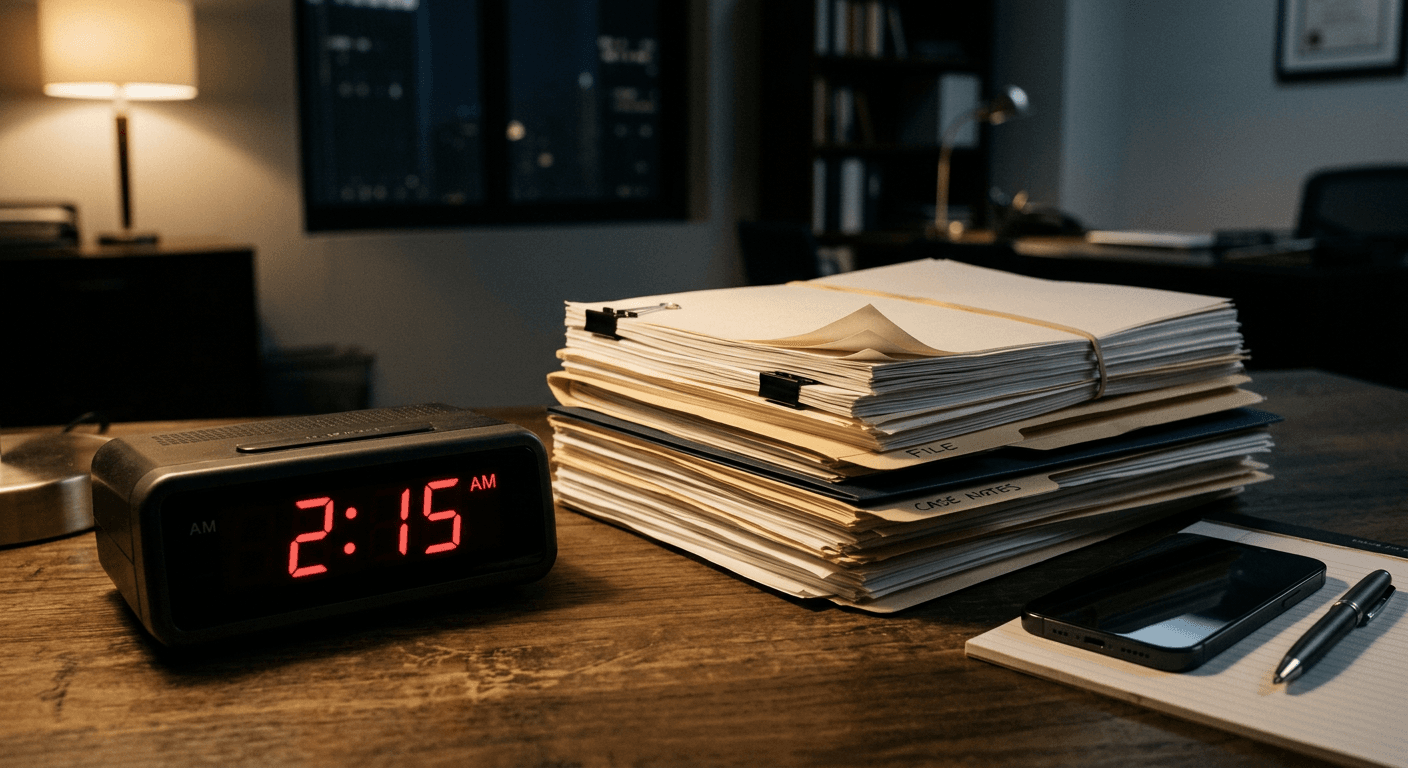
The phone rings at 2:15 AM, and the caller ID displays the main intake number for the Washington County Jail. When an arrest happens after midnight, the immediate reflex is to search for 24 hour bail bonds near me, hoping a rapid financial transaction will reverse the situation before morning. But the timeline of a late-night arrest depends as much on the facility's internal booking backlog as it does on the responsiveness of the agent you hire. A midnight arrest triggers a specific sequence of administrative hurdles, from automated fingerprint background checks through the Bureau of Criminal Apprehension to mandatory shift-change lockdowns in local lockups. All of these operational realities dictate exactly when a cell door actually opens. Navigating this high-stress environment requires understanding how Minnesota county jails process intake documentation, how surety instruments are funded without traditional banking access, and what happens when the state imposes monitoring conditions on a release. You cannot control the speed of a county booking department, but you can control how quickly the required legal paperwork is waiting for them when they finish.
Quick Summary
Securing a late-night release from a Minnesota county jail requires navigating facility booking delays, securing mandatory funding, and locating an agent authorized to post surety bonds outside normal business hours. Understanding the specific custody timeline dictates how quickly an inmate actually walks out the doors.
- Booking processes at county jails take several hours before bail amounts are formalized in the state system.
- A bondsman must verify the exact charges and bail conditions before submitting paperwork to the night duty roster.
- Unconditional bail options bypass morning restrictions like electronic home monitoring, but require immediate processing.
- State regulations govern the financial structure, requiring 3%-5% down on qualifying bonds without credit checks.
Table of Contents
- Why the facility dictates your timeline
- 1. The Initial Intake Hold
- 2. Locating After-Hours Service
- 3. Warrant Execution at Night
- 4. Midnight DWI Arrests
- 5. Funding the Surety Instrument
- 6. The Final Release Sequence
- Where the process breaks down at night
- Matching your delay to the right action
- FAQ
- Recommended Reads
Why the facility dictates your timeline
When evaluating how to respond to an overnight arrest, the primary lens for decision-making is the intersection of facility processing speeds and legal bail conditions. You are measuring the time it takes the jail to generate a roster number against the time it takes an agent to finalize the financial instrument. If you secure a quick bail bonds agreement before the facility has finished fingerprinting the defendant, the release will stall. Conversely, waiting until morning to arrange the bond guarantees the inmate will remain in custody through the shift change. Every step detailed below is judged by how it accelerates the transition from intake to release while navigating Minnesota's strict surety requirements.
1. The Initial Intake Hold
Booking delays outlast the paperwork
This phase represents the gap between arrival at a facility and the moment the individual is actually eligible for release. It applies directly to family members trying to initiate the bonding process immediately after the arrest occurs.
The mechanism of a booking hold involves several mandatory administrative hurdles. The jail staff must inventory personal property, conduct a standard medical screening, and log the individual's demographic data before the fingerprints are even transmitted. Following this, the facility runs state and federal background checks through the Bureau of Criminal Apprehension to search for outstanding warrants. Until the inmate is officially entered into the county's computer system and assigned a booking number, the jail cannot legally accept a bond. When families call an agent the moment the arrest happens, the agent can prepare the paperwork, but they must wait for the jail's software to update before posting the surety. The booking duration varies drastically by county and the time of night. At a larger facility handling Saint Louis Bail Bonds | Duluth Jail | 651-402-4868, a busy Friday night intake queue can stretch for hours.
Practical rule: Never finalize a contract or submit a payment until the agent confirms the inmate has an active booking number and finalized charges in the county system.
Where this preemptive rush breaks down is during weekend nights in busy jurisdictions. An arrest at 1:00 AM might result in a four-hour booking delay purely due to the volume of intakes. Initiating the contract before the charges are finalized means you risk paying for a bond that might increase if the jail discovers additional out-of-county warrants during the automated background check.
2. Locating After-Hours Service
Proximity matters less than authorization
Finding a responsive bail bonds service at 3:00 AM is the primary barrier for families scrambling to secure a release before dawn. This step is for anyone navigating the first confusing hours following a midnight phone call who needs immediate operational support.
Operating an around-the-clock bonding agency requires agents to maintain specific authorizations. They must have access to county jail night drops. When contacting an agency overnight, the functioning mechanism relies on the agent being awake. They log into the state's judicial system. From there, they generate the digital or physical surety documents required by the specific county. The agent attaches a power of attorney. This specialized document proves the insurance company backing the bond will cover the total bail amount if the defendant flees. Different jurisdictions have distinct procedures for accepting these documents after their administrative offices close. The agent must assemble the bond face sheet and the financial disclosures. Then, they submit them directly to the active jail duty deputies. For instance, processing Carver Bail Bonds | Chaska Jail | 651-402-4868 requires an agent familiar with the specific intake protocols of that facility's night shift.
Searching purely for geographic closeness limits your options. A physical office location is irrelevant if the agent is asleep. An agency located further away can execute the release much faster. Their professionals must be awake and authorized to file electronically. This setup easily beats an unstaffed office directly across the street from the jail. Families often fixate on finding someone physically sitting next to the courthouse. They end up wasting crucial hours leaving voicemails.
3. Warrant Execution at Night
Pre-set bail removes the judicial wait
A late-night traffic stop that reveals an active bench warrant triggers an immediate transfer to custody, requiring a specific type of intervention. This scenario applies to individuals who missed a previous court date and are now facing pre-determined bail conditions.
Unlike new charges that might require a judge's review in the morning, a warrant typically has a bail amount already attached to it by the issuing judge. The mechanism here is direct: the arresting officer transports the individual to a local facility, and the booking deputies confirm the warrant's conditions in the state database. Because the bail amount is pre-established, an active bondsman near me can begin drafting the surety paperwork the moment the booking is complete. The agent guarantees the court that the full amount will be paid if the defendant fails to appear for the rescheduled hearing, clearing the warrant from the state system and preventing secondary arrests. This allows the facility handling Isanti Bail Bonds | Cambridge Jail | 651-402-4868 to process the release without waiting for a morning arraignment.
The strict boundary of a warrant bond is its rigidity. Because a judge has already set the amount on the warrant, the agent cannot negotiate the total down, and the jail will not alter the terms. If the warrant stipulates "body only" or explicitly denies bail, no bonding agency can secure a release, and the defendant must wait in a cell until the court opens and a judge reviews the file.
4. Midnight DWI Arrests
Unconditional bonds prevent morning monitoring setups
A significant portion of after-hours arrests involves driving under the influence, requiring immediate decisions about release conditions. This applies specifically to defendants who want to avoid restrictive pre-trial monitoring programs.
When a DWI arrest occurs, the state often mandates strict release conditions, such as electronic home monitoring (EHM), random urinalysis, or mandatory daily check-ins. The standard conditional release mandates that the defendant remain in their cell until the court-approved EHM vendor opens their office, processes the county work order, travels to the jail facility, and physically installs the ankle monitor. This guarantees that a midnight arrest will extend late into the following afternoon. The mechanism to bypass these requirements is posting an unconditional bond. By paying a higher premium set by the court, the defendant secures a release without submitting to restrictive government surveillance. An agent specializing in DWI Bail Bonds by James: Call 651-402-4868 Now processes the maximum bail figure the court demands for an unconditional release, files the surety instrument with the jail, and assumes the financial liability. This completely severs the requirement to wait for an EHM technician.
The inherent limit of this route is the financial threshold. Unconditional bail is significantly higher than conditional bail. If a defendant cannot secure the required down payment for the larger unconditional amount, they are forced to wait for the standard conditional release, stalling any chance of a nighttime exit.
5. Funding the Surety Instrument
State minimums override immediate liquidity
Arranging the financial backing for a surety bond at 4:00 AM requires navigating closed banks and strict state regulations. This step is for the family member acting as the indemnitor who must finalize the financial contract before the paperwork is filed.
The bonding process is not a negotiation of prices; it is heavily regulated by the state of Minnesota. By law, 3%-5% down on qualifying bonds is required, with no credit check necessary, and is managed through flexible payment plans. The mechanism functions through digital contracts established directly with the bonding agency. The indemnitor signs a document assuming responsibility for the defendant's court appearances. Because traditional banking is unavailable overnight, agents utilize online payment portals to securely process debit or credit card transactions for the mandated down payment. Once the payment clears the portal, the agent possesses the legal authorization to attach the power of attorney to the multi-thousand-dollar surety document.
Practical rule: Verify that the agency utilizes a secure, active payment portal capable of generating an immediate digital receipt before submitting any financial information after midnight.
The absolute constraint here is the state minimum. A defendant hoping to post bond with only 1% down or zero money upfront will find no legal avenue to do so in Minnesota. Any arrangement that claims to circumvent the legal minimum violates state statutes, and attempting to utilize such an offer places the entire release at severe risk of cancellation.
6. The Final Release Sequence
Shift changes stall the physical exit
The final phase covers the time between the agent handing the paperwork to the deputies and the defendant walking out the front doors. It is for those waiting in the lobby or sitting in their cars outside the jail holding cell.
Once you secure a bails bond near me and the paperwork is submitted, the jail staff must process the release internally. The mechanism requires deputies to pull the defendant from their holding cell, return their personal property, issue a court date notice, and complete the discharge documentation. The property room officer must retrieve the confiscated phone, wallet, and keys, forcing the deputies to generate a discharge receipt. The agent's job is technically finished the moment the jail accepts the surety, but the facility controls the physical exit. In smaller jurisdictions, this might take twenty minutes. In a larger facility handling Washington Bail Bonds | Stillwater Jail | 651-402-4868, it depends entirely on the current workload of the floor deputies.
The unavoidable roadblock during late-night releases is the facility shift change. Most jails execute a staff shift change between 5:30 AM and 7:00 AM. If the bond is submitted at 5:15 AM, the release process will halt entirely while the incoming and outgoing deputies conduct their headcount and handover. Families expecting a ten-minute turnaround at dawn will be left waiting in the lobby for over an hour simply because the facility operations mandate a complete lockdown during the transition.
Where the process breaks down at night
| Release Bottleneck | Processing Mechanism | The Honest Limit |
|---|---|---|
| Intake Hold | Bureau of Criminal Apprehension background checks and medical screening. | Bonds cannot be posted until a booking number is generated. |
| Agent Availability | Digital filing or physical delivery of the surety power of attorney. | Proximity is useless if the agent lacks overnight filing authorization. |
| Warrant Arrests | Pre-set bail amounts attached directly to the bench warrant. | Agents cannot negotiate pre-set amounts; "body only" warrants deny bail. |
| DWI Arrests | Unconditional bonds bypass electronic home monitoring setups. | Unconditional bail requires a higher premium down payment. |
| Surety Funding | Secure online payment portals process required down payments. | By law, 3%-5% down on qualifying bonds, no credit check, flexible payment plans are strictly enforced. |
| Shift Changes | Facility lockdowns halt all inmate movement and discharges. | Bonds posted during the 5:30 AM shift change face immediate delays. |
Matching your delay to the right action
Choosing the correct approach to a midnight arrest depends entirely on the bottleneck holding the inmate. If your bottleneck is the facility's intake speed, hold off on finalizing any contracts until the booking number is confirmed; premature filing achieves nothing but unnecessary anxiety. If your bottleneck is an active bench warrant with pre-set conditions, immediately secure the required state-mandated down payment and dispatch an agent to bypass morning court queues. If the bottleneck involves strict pre-trial release demands like electronic monitoring, opt for the unconditional bond to eliminate vendor delays and morning installations. Avoid relying on the geographic proximity of an agency if their staff is unresponsive; an authorized agent handling remote digital submissions will always execute the release faster than a local office with a full voicemail box.
FAQ
Do I need a credit check to secure an overnight bond in Minnesota? No. By law, 3%-5% down on qualifying bonds is required, and reputable agencies process this without a credit check, utilizing flexible payment plans instead. The approval is based on the indemnitor's agreement and the stability of the payment arrangement rather than a credit score.
How long does the jail take to process a release after the bond is paid? The release timeline is dictated entirely by the facility. While an agent can submit the paperwork immediately, county jails can take anywhere from 30 minutes to several hours to return property and discharge the inmate, particularly during shift changes or weekend booking surges.
Can I negotiate the bail amount in the middle of the night? No. Bail amounts are either set by a fixed county schedule or predetermined by a judge on a warrant. Agents cannot alter these figures; they only supply the surety instrument to cover the established total required by the court.
What is the difference between conditional and unconditional bail? Conditional bail requires adherence to court mandates like electronic home monitoring or urinalysis. Unconditional bail requires a higher financial premium but allows the defendant to leave custody without submitting to those restrictive pre-trial monitoring programs.